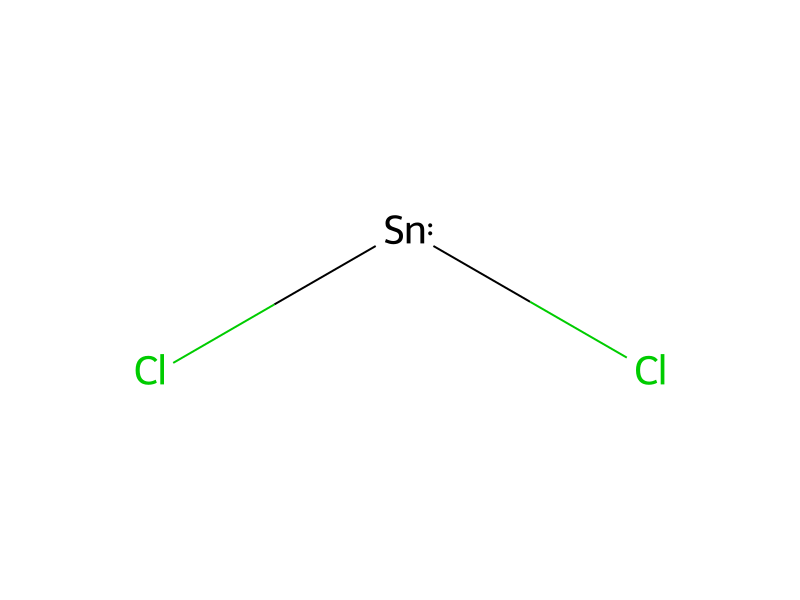
ClC1C=C(Cl)C=CC=1COC1C=CC([N+]([O-])=O)=CC=1N1C=CN=C1.[Sn](Cl)Cl.Cl.N1(C2C=C(C=CC=2OC)N)C=CN=C1.[Cl:43][C:44]1[CH:45]=[CH:46][C:47]([O:55]C)=[C:48]([N:50]2[CH:54]=[CH:53][N:52]=[CH:51]2)[CH:49]=1>CCOCC>[Cl:43][C:44]1[CH:45]=[CH:46][C:47]([OH:55])=[C:48]([N:50]2[CH:54]=[CH:53][N:52]=[CH:51]2)[CH:49]=11.1 g. of the 1-(2-methoxy-5-nitrophenyl)-imidazole obtained in Example 65 is reduced by heating for 5 minutes with 3.75 g. of tin(II) chloride in 20 ml. of concentrated hydrochloric acid. The thus-formed 3-(1-imidazolyl)-4-methoxyaniline (830 mg.) is converted according to Sandmeyer in the usual way into the 1-(5-chloro-2-methoxyphenyl)-imidazole (610 mg.; m.p. 52°-57°). After ether cleavage according to the literature citation in Example 56, 4-chloro-2-(1-imidazolyl)-phenol is obtained (425 mg.), which is etherified analogously to Example 58 with the use of 4 25 mg. of 2,4-dichlorobenzyl chloride.