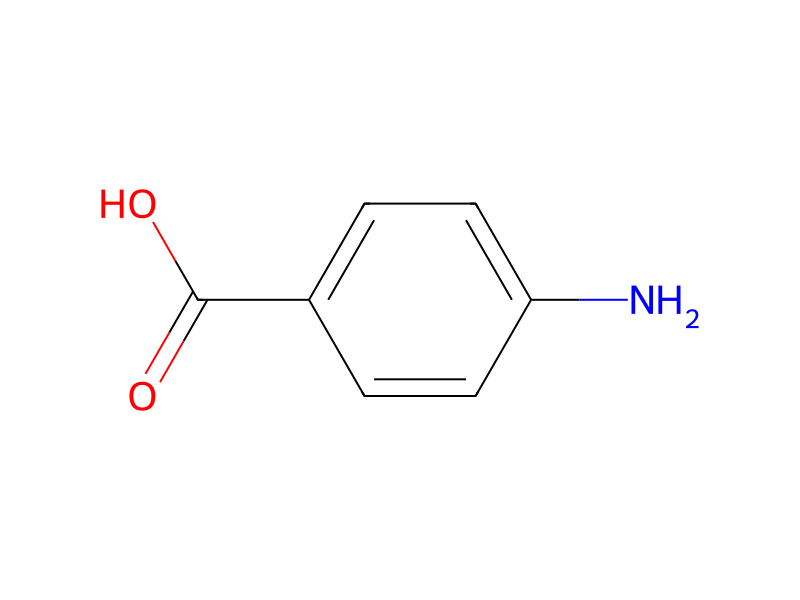
Ethereal hydrogen chloride (1.0M; 10 ml, 10.0 mmol) was added to a solution of 4-anilino-2,5-dichloropyrimidine (Method 2; 2.41 g, 10.0 mmol) and 4-aminobenzoic acid (1.10 g, 8.0 mmol) in sulpholane (10 ml) and the mixture was heated at 140° C. for 3 hours. The mixture was left to cool and acetone (75 ml) was added. The insoluble solid was collected by filtration and washed with acetone (50 ml) to give the product (2.63 g, 97%). NMR: 7.25 (t, 1H), 7.4 (t, 2H), 7.55-7.65 (m, 4H), 7.7 (d, 2H), 8.35 (s, 1H), 9.6 (br s, 1H), 10.4 (br s, 1H); MS (MH+): 341, 343.