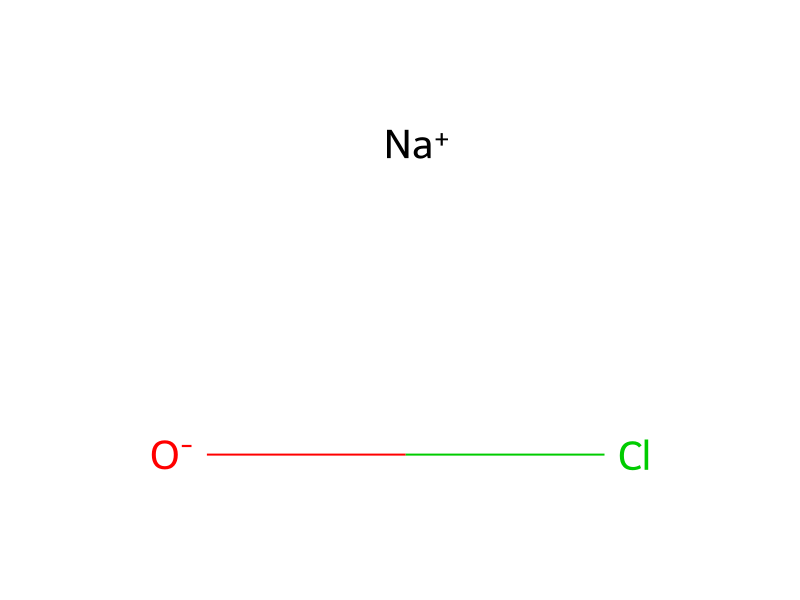
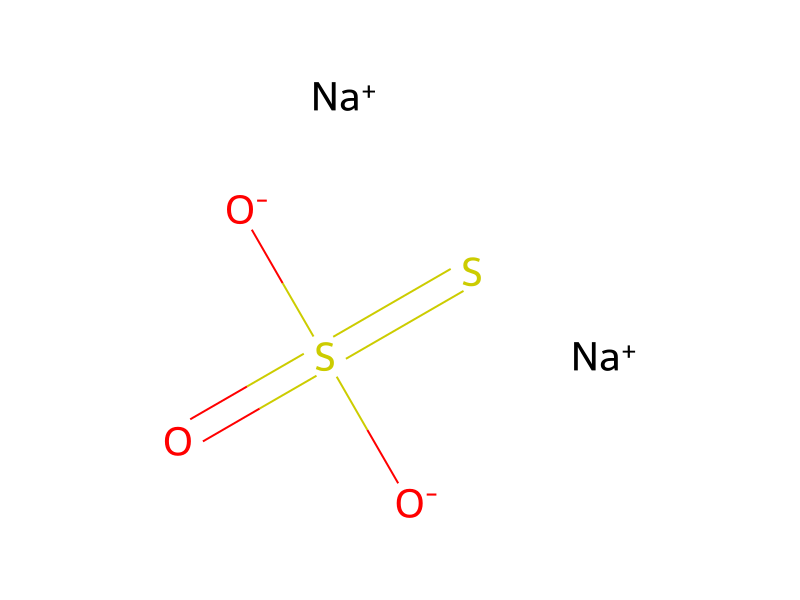
To a solution of 4-hydroxy-4′-cyanobiphenyl (6.00 g, 30.8 mmol), sodium iodide (4.61 g, 30.8 mmol) and sodium hydroxide (1.23 g, 30.8 mmol) in methanol (90 mL) at 0° C. was added an aqueous solution of sodium hypochlorite (47 mL of 5.25% Clorox™, 2.29 g, 30.8 mmol) over 45 minutes. The mixture was stirred cold for 1 hour, warmed to ambient temperature and diluted with sodium thiosulfate solution (10 mL), water (80 mL) and adjusted to a pH of 7 by addition of sodium dihydrogen phosphate. The mixture was extracted with dichloromethane (2×90 mL). The combined organic extracts were dried (Na2SO4), filtered and concentrated under reduced pressure to give a white powder. The solid was crystallized from dichloroethane/hexane and chromatographed on silica with dichloromethane to give the titled compound (5.19 g, 53%). MS (DCI) m/z 339 [M+NH4+]+;