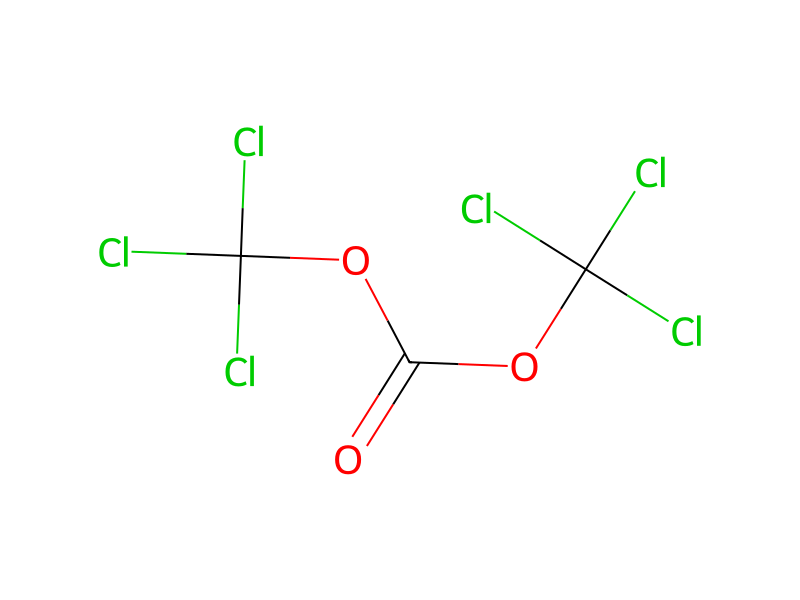
ClC(Cl)(O[C:5](=[O:11])[O:6][C:7](Cl)(Cl)Cl)Cl.[C:13]([O:17][C@H:18]([CH3:31])[C@H:19]([NH:22][C:23]1[CH:28]=[C:27]([CH3:29])[N:26]=[C:25]([Cl:30])[N:24]=1)CO)([CH3:16])([CH3:15])[CH3:14].N1C(C)=CC=CC=1C>C(Cl)Cl.[Cl-].[Na+]>[C:13]([O:17][C@@H:18]([C@H:19]1[CH2:7][O:6][C:5](=[O:11])[N:22]1[C:23]1[CH:28]=[C:27]([CH3:29])[N:26]=[C:25]([Cl:30])[N:24]=1)[CH3:31])([CH3:16])([CH3:14])[CH3:15]Triphosgene (35 mg, 0.12 mmol, 0.4 equiv) was added to a solution of (2R,3R)-3-(tert-butoxy)-2-((2-chloro-6-methylpyrimidin-4-yl)amino)butan-1-ol (86 mg, 0.30 mmol) in DCM (3 mL) at −78° C., followed by the dropwise addition of 2,6-lutidine (0.14 mL, 1.2 mmol, 4 equiv). The solution was allowed to warm to room temperature and was then heated at 35° C. for 5 hours. The reaction was then cooled to room temperature and diluted with DCM (30 mL) and saturated aqueous sodium chloride (30 mL). The layers were separated and the organic layer was dried over Na2SO4, filtered and concentrated. Silica gel column chromatography (EtOAc/Heptane) provided (R)-4-((R)-1-(tert-butoxy)ethyl)-3-(2-chloro-6-methylpyrimidin-4-yl)oxazolidin-2-one (0.057 g, white solid) in 61% yield. 1H NMR (400 MHz, CDCl3) δ 8.01 (s, 1H), 4.73 (ddd, J=8.6, 4.1, 3.0 Hz, 1H), 4.65 (dd, J=9.4, 2.9 Hz, 1H), 4.48 (m, 1H), 4.41 (m, 1H), 2.52 (s, 3H), 1.26 (s, 9H), 1.03 (d, J=6.5 Hz, 3H); MS m/z 314.1 (M+H)+; Rt-1.02 min.