홈MCP워크벤치Skills
홈워크벤치알림마이페이지
llms.txt · MCP 가이드개인정보처리방침 · 이용약관 · 지원v1.8.3
  1. 홈
  2. /반응

Triethylamine → 1-(5-Bromo-2-fluorophenyl)ethanone

HRID 593336
인쇄

반응식

HRID 593336 반응식
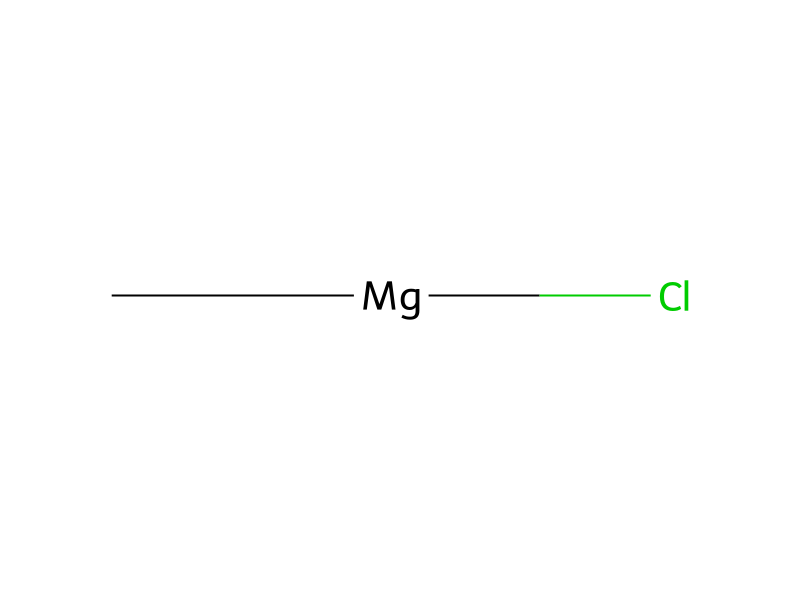
[Br:1][C:2]1[CH:3]=[CH:4][C:5]([F:11])=[C:6]([CH:10]=1)[C:7]([OH:9])=O.[CH2:12](N(CC)CC)C.Cl.CN(C)CCCN=C=NCC.CNOC.C[Mg]Cl.BrC1C=CC(F)=C(C=1)C(N(OC)C)=O>ClCCl.CN(C)C1C=CN=CC=1.O1CCCC1>[Br:1][C:2]1[CH:3]=[CH:4][C:5]([F:11])=[C:6]([C:7](=[O:9])[CH3:12])[CH:10]=1
참가 물질실험 절차후처리출처 및 근거반응 노트

참가 물질

10

반응물 6

HCID 8471TriethylamineHCID 14232N,O-DimethylhydroxylamineHCID 27239391,3-Propanediamine, N'-(ethylcarbonimidoyl)-N,N-dimethyl-, monohydrochlorideHCID 27363155-Bromo-2-fluorobenzoic acidHCID 606295205-bromo-2-fluoro-N-methoxy-N-methylbenzamideHCID 178418332HCID 178418332, 화합물

생성물 1

HCID 22607476
1-(5-Bromo-2-fluorophenyl)ethanone

시약·촉매·용매 3

HCID 142844-(Dimethylamino)pyridine촉매HCID 6344Dichloromethane용매2회HCID 8028Tetrahydrofuran용매2회

실험 절차

A solution of 5-bromo-2-fluoro-benzoic acid (3.50 g, 16 mmol) in dichloromethane (70 ml) was cooled to 0° C. and treated with triethylamine (1.725 g, 17 mmol), N-(3-dimethylamino-propyl)-N′-ethyl-carbodiimide hydrochloride (3.032 g, 16 mmol), 4-dimethylamino-pyridine (0.097 g, 0.8 mmol), and N,O-dimethyl-hydroxylamine (1.774 g, 18 mmol). The reaction mixture was left to warm to room temperature and stirred for 16 hours. For the workup, the reaction mixture was diluted with dichloromethane (100 ml) and, consecutively, extracted with water (50 ml), citric acid (10%, 50 ml), and saturated sodium hydrogen carbonate solution (50 ml). The organic layer was dried over sodium sulphate, then evaporated. The crude 5-bromo-2-fluoro-N-methoxy-N-methyl-benzamidematerial (3.73 g, 91%) was sufficiently pure and was directly engaged in the next step. In a dried flask, a solution of methylmagnesium chloride (3M in tetrahydrofuran, 5.69 ml, 17 mmol) in tetrahydrofuran (24 ml) was treated at 12-16° C. with a solution of 5-bromo-2-fluoro-N-methoxy-N-methyl-benzamide (3.73 g, 14.2 mmol) in tetrahydrofuran (24 ml). After complete addition, the reaction mixture was heated to reflux. After 20 minutes, the white suspension was quenched under ice cooling with a saturated solution of ammonium chloride (25 ml). After dilution with ethyl acetate (50 ml), the aqueous layer was separated and re-extracted with ethyl acetate (50 ml). The combined organic layers were washed with brine (20 ml), dried over sodium sulphate, and evaporated at reduced pressure. 1-(5-bromo-2-fluoro-phenyl)-ethanone was obtained as a light yellow solid (2.6 g, 84%), which was directly engaged in the next step. Rf: 0.55 (silica gel; eluent: heptane/ethyl acetate=4/1).


후처리

  1. waitThe reaction mixture was left
  2. extractionconsecutively, extracted with water (50 ml), citric acid (10%, 50 ml), and saturated sodium hydrogen carbonate solution (50 ml)
  3. dry with materialThe organic layer was dried over sodium sulphate
  4. customevaporated
  5. additionAfter complete addition
  6. temperaturethe reaction mixture was heated to reflux
  7. waitAfter 20 minutes
  8. customthe white suspension was quenched under ice cooling with a saturated solution of ammonium chloride (25 ml)
  9. customAfter dilution with ethyl acetate (50 ml), the aqueous layer was separated
  10. extractionre-extracted with ethyl acetate (50 ml)
  11. washThe combined organic layers were washed with brine (20 ml)
  12. dry with materialdried over sodium sulphate
  13. customevaporated at reduced pressure

출처 및 근거

ORD 기록
ord-6d7243494c0d422e92f9e131499785a7
출처 데이터셋
uspto-grants-2016_01
DOI
10.6084/m9.figshare.5104873.v1
특허 번호
US09242943B2

반응 노트

이 페이지에서참가 물질실험 절차후처리출처 및 근거반응 노트