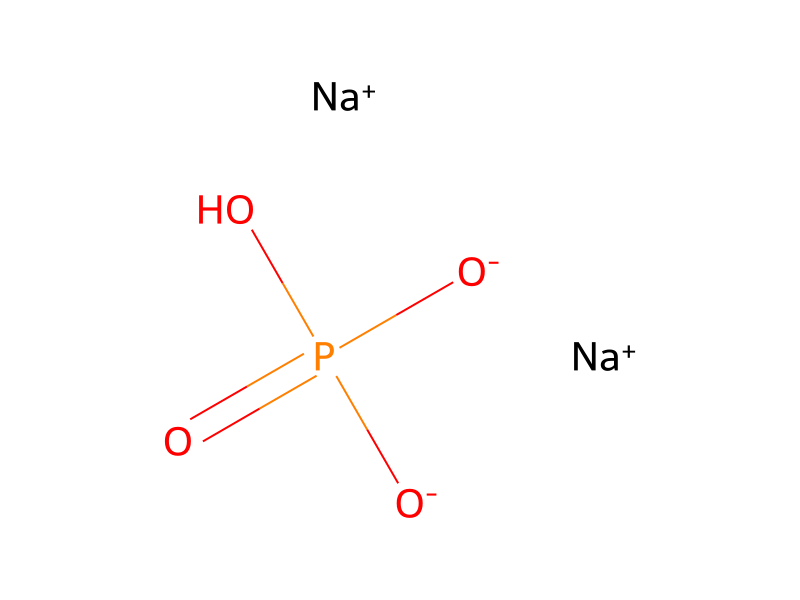
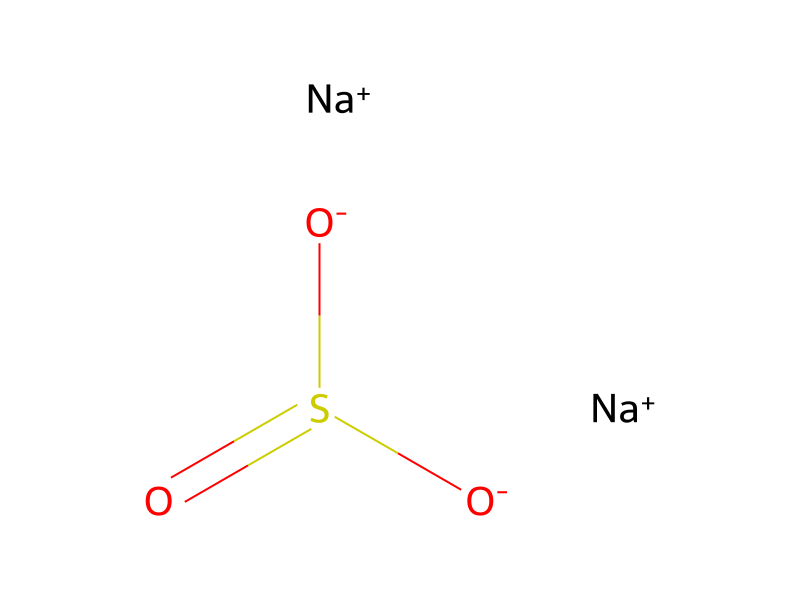
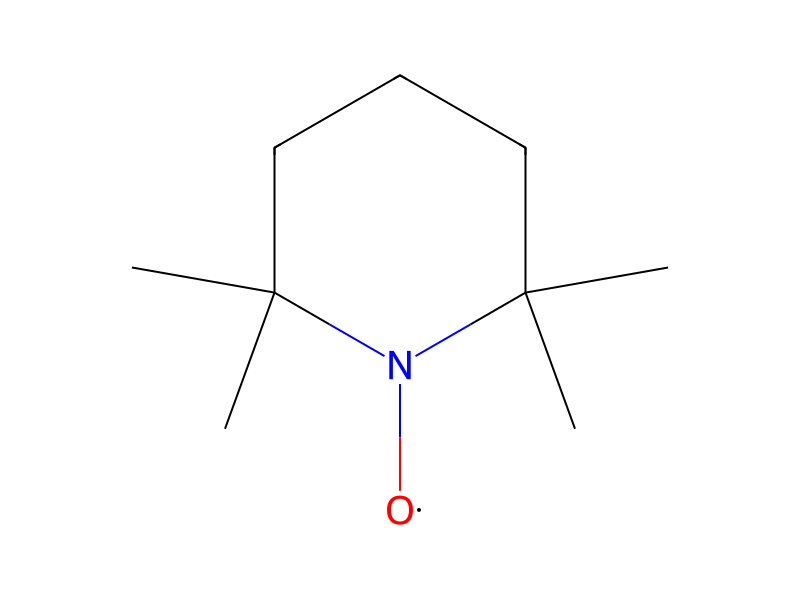
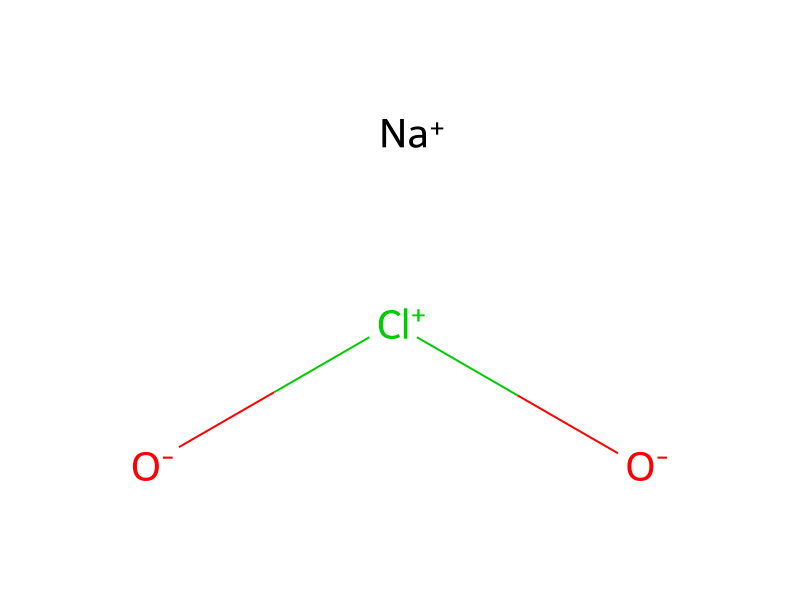
Bromine (12.5 mL, 244 mmol) was dropwise added to a solution of cyclopropylbenzene (25.0 g, 212 mmol) in chloroform (430 mL) with stirring at −78° C. and the mixture was stirred for 45 minutes. A 10% aqueous sodium sulfite solution and water were added to the reaction mixture at −780° C. and chloroform was added thereto to separate it. The thus obtained organic phase was separated, washed with a saturated aqueous NaCl solution and dried over anhydrous magnesium sulfate. After filtration, the solvent was evaporated under reduced pressure and the residue was purified by silica gel chromatography (hexane) to obtain 1-bromo-4-cyclopropylbenzene (35.5 g, yield: 85%). Tetrakis-(triphenylphosphine)palladium (5.33 g, 4.61 mmol) and 3-butyn-1-ol (31.5 g, 450 mmol) were added to a solution of the obtained 1-bromo-4-cyclopropylbenzene (35.5 g, 180 mol) in piperidine (345 mL) and the mixture was stirred at 80° C. under nitrogen atmosphere for 3 hours. The reaction mixture was evaporated under reduced pressure and ethyl acetate and a 1N aqueous hydrochloric acid solution were added to the residue to separate it. The thus obtained organic phase was separated, washed with a 1N aqueous hydrochloric acid solution, a saturated aqueous sodium hydrogencarbonate solution and a saturated aqueous NaCl solution and dried over anhydrous magnesium sulfate. After filtration, the solvent was evaporated under reduced pressure and the residue was purified by silica gel chromatography (hexane:ethyl acetate, 4:1-3:1) to obtain 4-(4-cyclopropylphenyl)but-3-yn-1-ol (30.2 g, yield: 90%). A 6N aqueous sulfuric acid solution (250 mL) was added to a solution of the obtained 4-(4-cyclopropylphenyl)but-3-yn-1-ol (27.8 g, 149 mmol) in methanol (300 mL) and the mixture was heated under reflux for 6 hours. After it was left to stand, methanol of the reaction mixture was evaporated under-reduced pressure and ethyl acetate was added thereto to separate it. The thus obtained organic phase was separated, washed with a saturated aqueous NaCl solution and dried over anhydrous magnesium sulfate. After filtration, the solvent was evaporated under reduced pressure. The thus obtained residue was purified by silica gel chromatography (hexane:ethyl acetate, 4:1-2:1) to obtain 1-(4-cyclopropylphenyl)-4-hydroxybutan-1-one (18.7 g, yield: 61%). Hydrazine monohydrate (10.4 mL) and potassium hydroxide (14.4 g) were added to a solution of the obtained l-(4-cyclopropylphenyl)-4-hydroxybutan-1-one (17.5 g, 85.8 mmol) in ethylene glycol (90 mL) and the mixture was heated under reflux at 180° C. for 6 hours. Water was added to the reaction mixture to dilute it and ethyl acetate was added thereto to separate it. The thus obtained organic phase was separated, washed with a saturated aqueous NaCl solution and dried over anhydrous magnesium sulfate. After filtration, the solvent was evaporated under reduced pressure and the obtained residue was purified by silica gel chromatography (hexane:ethyl acetate, 5:1-3:1) to obtain 4-(4-cyclopropylphenyl)butan-1-ol (15.8 g, yield: 97%). TEMPO (2,2,6,6-tetramethylpiperidine 1-oxyl free radical) (905 mg, 5.79 mmol) and a sodium hydrogenphosphate buffer solution (300 mL, 0.67M, pH 6.7) were added to a solution of the obtained 4-(4-cyclopropylphenyl)butan-1-ol (15.7 g, 83.0 mmol) in acetonitrile (300 mL) and the mixture was stirred at 35° C. for 10 minutes. After an aqueous sodium chlorite solution (16.4 g, water 80 mL) was added to the reaction mixture, a 2% aqueous hypochlorous acid solution (42.3 mL) was further added dropwise thereto and the mixture was stirred at 35° C. for 2 hours. A 1N aqueous sodium hydroxide solution (250 mL) was added to the reaction mixture and the mixture was poured into ice-water (300 mL) added with sodium sulfite (30 g), followed by stirring of the mixture for 5 minutes. Ether was added thereto to separate it. An aqueous phase was taken, concentrated hydrochloric acid was added thereto to acidify it and ether was added thereto to separate it. The thus obtained organic phase was separated and dried over anhydrous magnesium sulfate. After filtration, the solvent was evaporated under reduced pressure to obtain 4-(4-cyclopropylphenyl)butyric acid (15.8 9, yield: 88%) as a white solid.