홈MCP워크벤치Skills
홈워크벤치알림마이페이지
llms.txt · MCP 가이드개인정보처리방침 · 이용약관 · 지원v1.8.3
  1. 홈
  2. /반응

Acetoacetic Acid → Hydroquinone mono-acetate

HRID 617434
인쇄

반응식

HRID 617434 반응식
CC([CH2:4][C:5]([OH:7])=[O:6])=O.[C:8]1([CH:15]=[CH:14][C:12]([OH:13])=[CH:11][CH:10]=1)[OH:9].C(OC(=O)C)(=O)C.C(N(CC)CC)C>CN(C)C1C=CN=CC=1.C(OCC)(=O)C>[C:5]([OH:7])(=[O:6])[CH3:4].[C:8]1([CH:15]=[CH:14][C:12]([OH:13])=[CH:11][CH:10]=1)[OH:9]
참가 물질실험 절차후처리출처 및 근거반응 노트

참가 물질

7

반응물 4

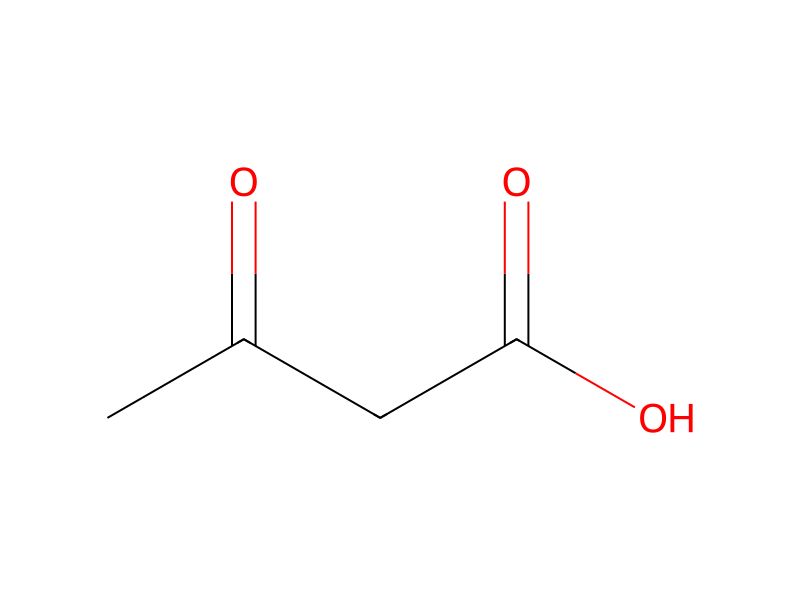
HCID 96Acetoacetic AcidHCID 785Hydroquinone2회HCID 7918Acetic AnhydrideHCID 8471Triethylamine

생성물 1

HCID 21327627Hydroquinone mono-acetate

시약·촉매·용매 2

HCID 142844-(Dimethylamino)pyridine촉매
HCID 8857
Ethyl Acetate
용매

실험 절차

The preparation of monoacetates of hydroquinone and catechol has been investigated, according to early publications, with varying results. Oltcott (J. Am. Chem. Soc. 59, 1937, 392-393) has found, that the monacetylation of these two dihydroxybenzenes can be performed by careful reaction with an acetylating agent, e.g. acetic anhydride, in aqueous alkaline solution. The desired mono-acetate was obtained in a yield of only 20-30%, whereas the major product obtained was the diacetate. Johnston (Chem. Ind. 1982, 1000) has succeeded in improving the formation of the mono-acetate of hydroquinone from hydroquinone and acetic anhydride by using triethyl amine as a base and 4-dimethylaminopyridine (DMAP) as a catalyst, in a polar organic solvent, viz. in ethyl acetate solution. Under such reaction conditions, Johnston has succeeded in obtaining hydroquinone mono-acetate in yields of 58-65%.

후처리

  1. customobtained
  2. customUnder such reaction conditions, Johnston

출처 및 근거

ORD 기록
ord-9348bd773cba47c5ad30ae5ba95f049a
출처 데이터셋
uspto-grants-1999_09
DOI
10.6084/m9.figshare.5104873.v1
특허 번호
US05948909

반응 노트

이 페이지에서참가 물질실험 절차후처리출처 및 근거반응 노트




