Phenol → 5-Chloro-2-ethyl-9-methyl-13-(phenoxymethyl)-2,4,9,15-tetraazatricyclo[9.4.0.0^{3,8}]pentadeca-1(11),3,5,7,12,14-hexaen-10-one
HRID 724972
반응식

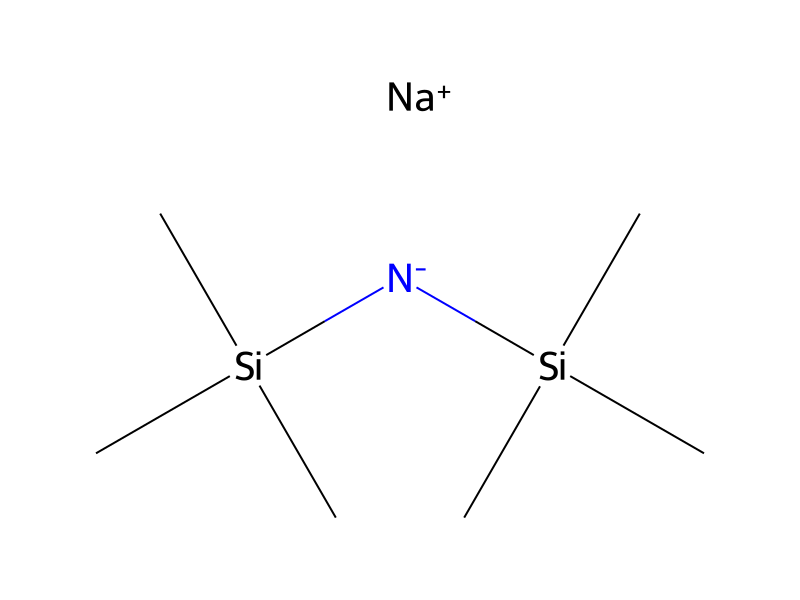
C[Si]([N-][Si](C)(C)C)(C)C.[Na+].CC(C)([O-])C.[K+].[Cl:17][C:18]1[CH:19]=[CH:20][C:21]2[N:22]([CH3:38])[C:23](=[O:37])[C:24]3[CH:34]=[C:33]([CH2:35]Cl)[CH:32]=[N:31][C:25]=3[N:26]([CH2:29][CH3:30])[C:27]=2[N:28]=1.[C:39]1([OH:45])[CH:44]=[CH:43][CH:42]=[CH:41][CH:40]=1>>[Cl:17][C:18]1[CH:19]=[CH:20][C:21]2[N:22]([CH3:38])[C:23](=[O:37])[C:24]3[CH:34]=[C:33]([CH2:35][O:45][C:39]4[CH:44]=[CH:43][CH:42]=[CH:41][CH:40]=4)[CH:32]=[N:31][C:25]=3[N:26]([CH2:29][CH3:30])[C:27]=2[N:28]=1참가 물질
5