홈MCP워크벤치Skills
홈워크벤치알림마이페이지
llms.txt · MCP 가이드개인정보처리방침 · 이용약관 · 지원v1.8.3
  1. 홈
  2. /반응

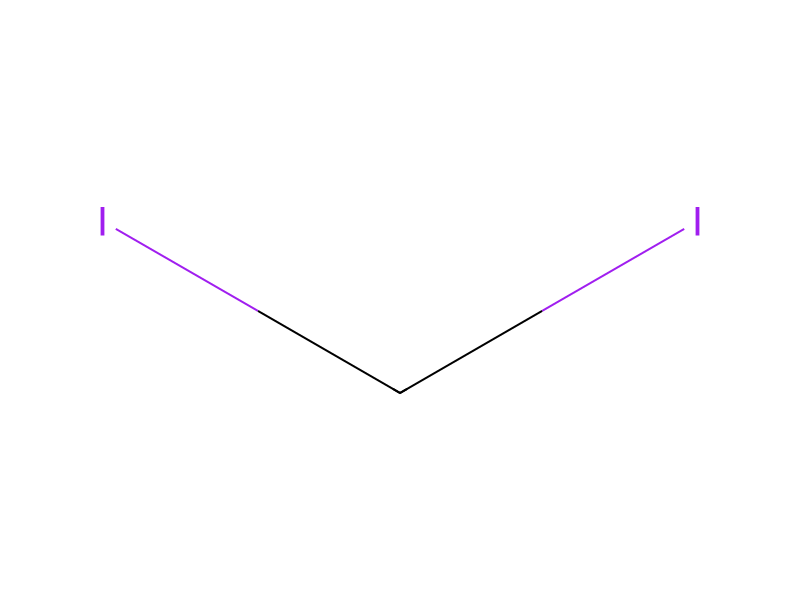
Diiodomethane → O5-benzyl O6-methyl 5-azaspiro[2.4]heptane-5,6-dicarboxylate

HRID 79836
인쇄

반응식

HRID 79836 반응식
[CH2:1]([Zn]CC)C.FC(F)(F)C(O)=O.ICI.[CH3:16][O:17][C:18]([CH:20]1[CH2:24][C:23](=[CH2:25])[CH2:22][N:21]1[C:26]([O:28][CH2:29][C:30]1[CH:35]=[CH:34][CH:33]=[CH:32][CH:31]=1)=[O:27])=[O:19].C[N+]1([O-])CCOCC1>ClCCl.C1COCC1.O.CC(C)=O.[Os](=O)(=O)(=O)=O>[CH3:16][O:17][C:18]([CH:20]1[CH2:24][C:23]2([CH2:1][CH2:25]2)[CH2:22][N:21]1[C:26]([O:28][CH2:29][C:30]1[CH:31]=[CH:32][CH:33]=[CH:34][CH:35]=1)=[O:27])=[O:19]
참가 물질반응 조건실험 절차후처리출처 및 근거반응 노트

참가 물질

9

반응물 5

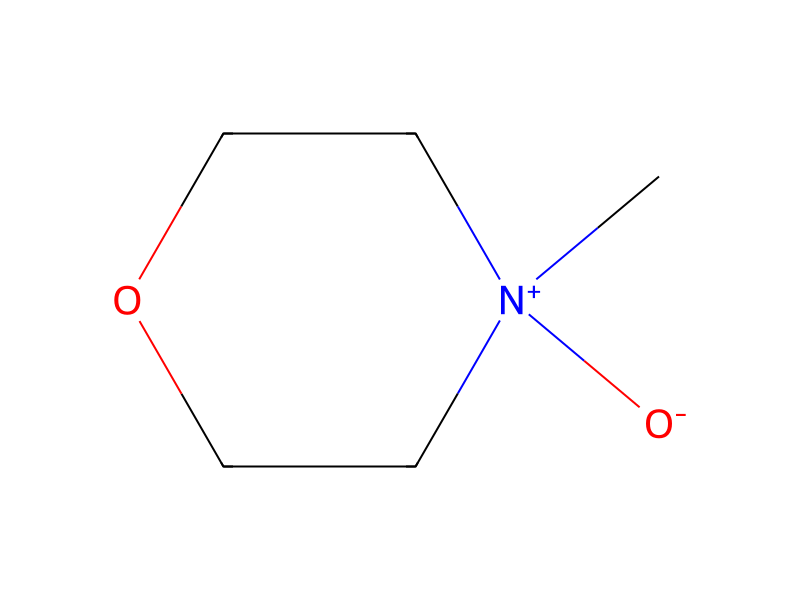
HCID 6346DiiodomethaneHCID 6422Trifluoroacetic acid2회HCID 82029Methyl morpholine oxideHCID 21922647O1-benzyl O2-methyl 4-methylenepyrrolidine-1,2-dicarboxylate2회HCID 178418750HCID 178418750, 화합물2회

생성물 1

HCID 66620688
O5-benzyl O6-methyl 5-azaspiro[2.4]heptane-5,6-dicarboxylate
수율 65.1%

시약·촉매·용매 3

HCID 30318Osmium Tetroxide촉매HCID 6344Dichloromethane용매3회HCID 21553975Acetone water tetrahydrofuran용매

반응 조건

온도
0 °C

실험 절차

An oven-dried 3-neck round bottom flask was equipped with a nitrogen inlet adaptor and a 250 mL addition funnel. The third neck was sealed with a septum. The flask was charged with a stir bar, dichloromethane (120 mL) and diethyl zinc (1.0 M in hexane, 118 mL, 118 mmol) then cooled to 0° C. in an ice bath. The addition funnel was charged with dichloromethane (40 mL) and trifluoroacetic acid (9.1 mL, 118 mmol). After the diethyl zinc solution had cooled to 0° C. (about 25 minutes), the trifluoroacetic acid solution was added dropwise over 20 minutes to the stirred reaction mixture. After stirring for another 20 minutes at 0° C., diiodomethane (9.5 mL, 118 mmol) was added slowly over 4 minutes. After another 20 minutes, 4-methylene-pyrrolidine-1,2-dicarboxylic acid 1-benzyl ester 2-methyl ester (8.10 g, 29.4 mmol) was added in 30 mL dichloromethane by cannula. The flask containing 4-methylene-pyrrolidine-1,2-dicarboxylic acid 1-benzyl ester 2-methyl ester was then rinsed with another 10 mL dichloromethane and this solution was also transferred to the reaction mixture by cannula. The reaction mixture was allowed to warm to RT and stirred for 110 hours (about 5 days) after which the reagents were quenched with saturated aqueous ammonium chloride (˜150 mL). The contents of the flask were slowly poured into a 2 L sep funnel containing saturated aqueous sodium bicarbonate (˜800 mL). The aqueous phase was extracted three times with 300 mL ethyl acetate. The combined organics were dried over magnesium sulfate and concentrated to provide the crude material. The crude material was dissolved in 3:1:1 THF/water/acetone (165 mL) then treated with N-methylmorpholine-N-oxide (3.45 g, 29.4 mmol) and osmium tetroxide (4 wt % in water, 5 mL, 0.818 mmol). After stirring at RT for 7 h, the reagents were quenched with 1 M aqueous sodium thiosulfate (˜100 mL). The contents of the flask were then poured into a 1 L sep funnel containing water (˜300 mL). The aqueous phase was extracted three times with 300 mL dichloromethane. The combined organics were dried over magnesium sulfate and concentrated. The crude residue was purified by silica column chromatography (5% to 45% EtOAc/hexane) to provide 5-aza-spiro[2.4]heptane-5,6-dicarboxylic acid 5-benzyl ester 6-methyl ester as a clear oil (5.54 g, 19.15 mmol, 65%) as a clear oil. 1H NMR (CDCl3) δ 7.36-7.29 (m, 5H), 5.21-5.04 (m, 2H), 4.56-4.47 (m, 1H), 3.75 (s, 1.5H), 3.60 (m, 1.5H), 03.51-3.37 (m, 2H), 2.32-2.25 (m, 1H), 1.87-1.80 (m, 1H), 0.64-0.51 (m, 4H).

후처리

  1. customAn oven-dried 3-neck round bottom flask was equipped with a nitrogen inlet
  2. additionadaptor and a 250 mL addition funnel
  3. customThe third neck was sealed with a septum
  4. additionThe flask was charged with a stir bar
  5. waitAfter another 20 minutes
  6. washwas then rinsed with another 10 mL dichloromethane
  7. temperatureto warm to RT
  8. stirringstirred for 110 hours (about 5 days) after which the reagents
  9. customwere quenched with saturated aqueous ammonium chloride (˜150 mL)
  10. additionThe contents of the flask were slowly poured into a 2 L sep funnel
  11. additioncontaining saturated aqueous sodium bicarbonate (˜800 mL)
  12. extractionThe aqueous phase was extracted three times with 300 mL ethyl acetate
  13. dry with materialThe combined organics were dried over magnesium sulfate
  14. concentrationconcentrated
  15. customto provide the crude material
  16. stirringAfter stirring at RT for 7 h
  17. customthe reagents were quenched with 1 M aqueous sodium thiosulfate (˜100 mL)
  18. additionThe contents of the flask were then poured into a 1 L sep funnel
  19. additioncontaining water (˜300 mL)
  20. extractionThe aqueous phase was extracted three times with 300 mL dichloromethane
  21. dry with materialThe combined organics were dried over magnesium sulfate
  22. concentrationconcentrated
  23. customThe crude residue was purified by silica column chromatography (5% to 45% EtOAc/hexane)

출처 및 근거

ORD 기록
ord-9a2916f4dd5143f1ad01f2f68c7db3ae
출처 데이터셋
uspto-grants-2014_09
DOI
10.6084/m9.figshare.5104873.v1
특허 번호
US08841278B2

반응 노트

이 페이지에서참가 물질반응 조건실험 절차후처리출처 및 근거반응 노트