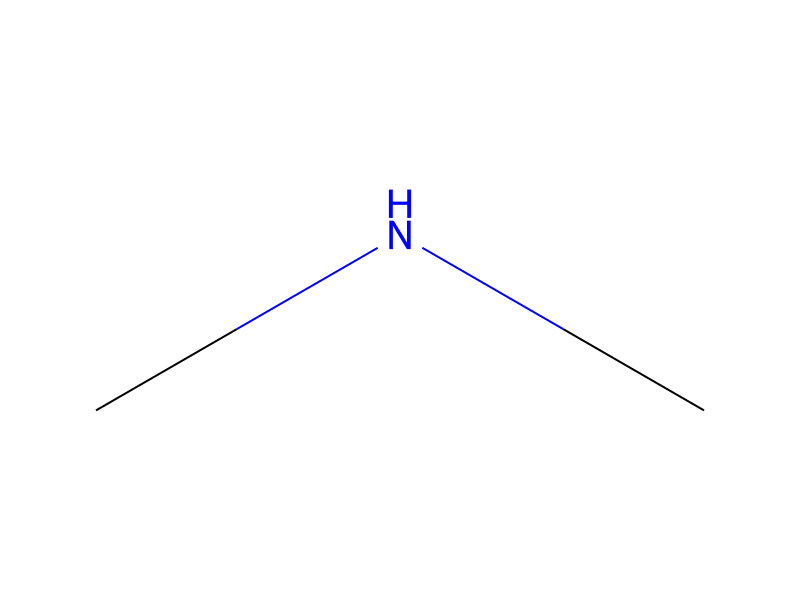
A solution of methyl 3-formylindole-6-carboxylate (8.0 g, 39.3 mmol) in 270 ml methanol is treated with dimethylamine (40% aqueous; 267 ml, 2.56 mol) at ambient temperature. After 45 minutes, NaBH4 (4.45 g, 118.1 mmol) is added, and the resulting mixture is heated at 55° C. for 3 hours. The reaction mixture is allowed to cool then is diluted with CHCl3 (200 ml) and brine (I 50 ml). The organic layer is washed with brine, dried over Na2SO4 and concentrated in vacuo. The crude residue is purified by flash chromatography (SiO2; 100% ethyl acetate then 20% 2M NH3/methanol in CHCl3) to give 9.07 g of 3-dimethylamino-methyl-1H-indole-6-carboxylic acid methyl ester(99%). Amine 61 is prepared from 3-dimethylaminomethyl-1H-indole-6-carboxylic acid methyl ester by essentially following the procedures detailed in Amine 49, 1 paragraph; and Amine 51, 3rd paragraph.