홈MCP워크벤치Skills
홈워크벤치알림마이페이지
llms.txt · MCP 가이드개인정보처리방침 · 이용약관 · 지원v1.8.3
  1. 홈
  2. /반응

Butane, 1,1'-thiobis[3-methyl- → HCID 178419188, 화합물

HRID 865822
인쇄

반응식

HRID 865822 반응식
[B:1]#B.[BH4-].[Na+].[CH2:5]([S:10][CH2:11][CH2:12][CH:13]([CH3:15])[CH3:14])[CH2:6][CH:7]([CH3:9])[CH3:8]>COCCOCCOC>[BH3:1].[CH2:11]([S:10][CH2:5][CH2:6][CH:7]([CH3:9])[CH3:8])[CH2:12][CH:13]([CH3:14])[CH3:15]
참가 물질반응 조건실험 절차후처리출처 및 근거반응 노트

참가 물질

5

반응물 3

HCID 10990Butane, 1,1'-thiobis[3-methyl-HCID 4311764Sodium borohydrideHCID 6328200Diboron

생성물 1

HCID 178419188HCID 178419188, 화합물

시약·촉매·용매 1

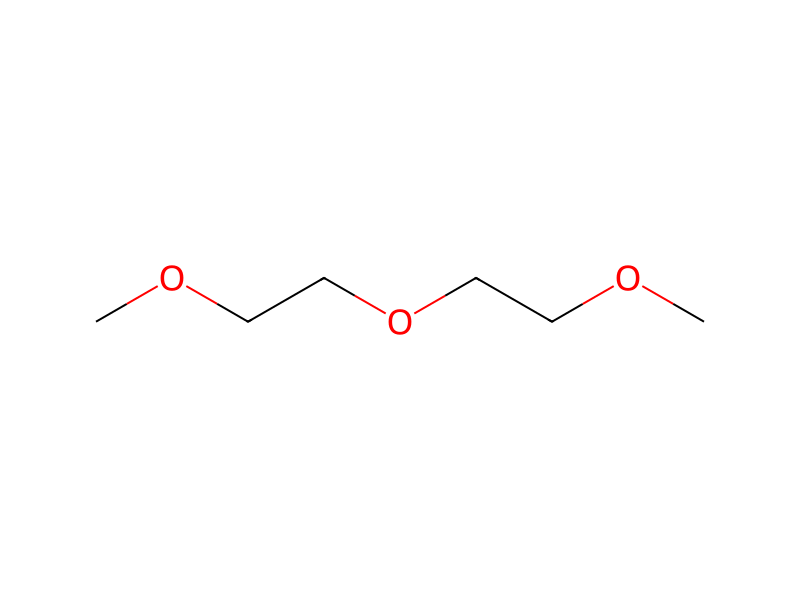
HCID 8150Diglyme용매

반응 조건

온도
-78 °C

실험 절차

Diborane generated as described in Example 6 was passed through a bubbler containing sodium borohydride (0.1 g) in diglyme (5 ml) and a trap cooled to -78° C. was absorbed in neat diisoamyl sulfide (8.67 g, 50 mmol) at 0° C. Excess diborane was absorbed in the next bubbler containing tetrahydrofuran (10 ml) over mercury and cooled in ice water. A mercury bubbler was connected to the exit. Diborane was passed into the sulfide until the concentration of borane in THF reached 1M. Borane-diisoamyl sulfide, a colorless liquid, was stirred overnight at room temperature prior to disconnecting the bubblers and then analyzed for active hydride by a standard procedure using a water-glycerol-methanol 1:1:1 hydrolyzing mixture. Concentration 4.2M, 11B NMR, δ, -22.5 ppm.

후처리

  1. customExcess diborane was absorbed in the next bubbler
  2. additioncontaining tetrahydrofuran (10 ml) over mercury
  3. temperaturecooled in ice water

출처 및 근거

ORD 기록
ord-b456c2adb5c14d08b64ec9988a44d67b
출처 데이터셋
uspto-grants-1996_10
DOI
10.6084/m9.figshare.5104873.v1
특허 번호
US05567849

반응 노트

이 페이지에서참가 물질반응 조건실험 절차후처리출처 및 근거반응 노트