홈MCP워크벤치Skills
홈워크벤치알림마이페이지
llms.txt · MCP 가이드개인정보처리방침 · 이용약관 · 지원v1.8.3
  1. 홈
  2. /반응

Diisopropylethylamine → (4-{6-Amino-7-[(R)-1-(2,6-dichloro-3-fluorophenyl)-ethoxy]-furo[3,2-c]pyridin-3-yl}-3,6-dihydro-2H-pyridin-1-yl)-piperazin-1-ylmethanone

HRID 911958
인쇄

반응식

HRID 911958 반응식
ClC(Cl)(OC(=O)OC(Cl)(Cl)Cl)Cl.[Cl:13][C:14]1[C:19]([F:20])=[CH:18][CH:17]=[C:16]([Cl:21])[C:15]=1[C@H:22]([O:24][C:25]1[C:26]2[O:34][CH:33]=[C:32]([C:35]3[CH2:36][CH2:37][NH:38][CH2:39][CH:40]=3)[C:27]=2[CH:28]=[N:29][C:30]=1[NH2:31])[CH3:23].CCN(C(C)C)C(C)C.[N:50]1([C:56](OC(C)(C)C)=[O:57])[CH2:55][CH2:54][NH:53][CH2:52][CH2:51]1>C(Cl)Cl>[NH2:31][C:30]1[N:29]=[CH:28][C:27]2[C:32]([C:35]3[CH2:36][CH2:37][N:38]([C:56]([N:50]4[CH2:55][CH2:54][NH:53][CH2:52][CH2:51]4)=[O:57])[CH2:39][CH:40]=3)=[CH:33][O:34][C:26]=2[C:25]=1[O:24][C@@H:22]([C:15]1[C:16]([Cl:21])=[CH:17][CH:18]=[C:19]([F:20])[C:14]=1[Cl:13])[CH3:23]
참가 물질실험 절차후처리출처 및 근거반응 노트

참가 물질

6

반응물 4

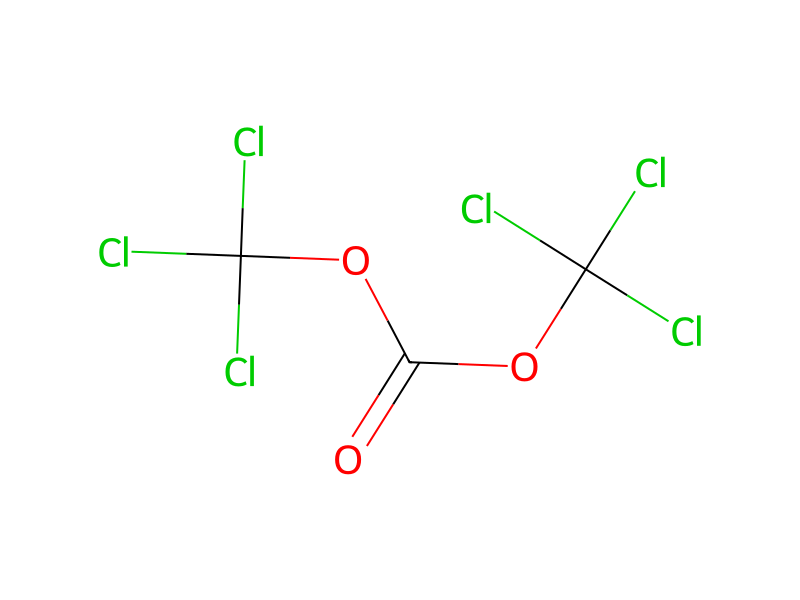
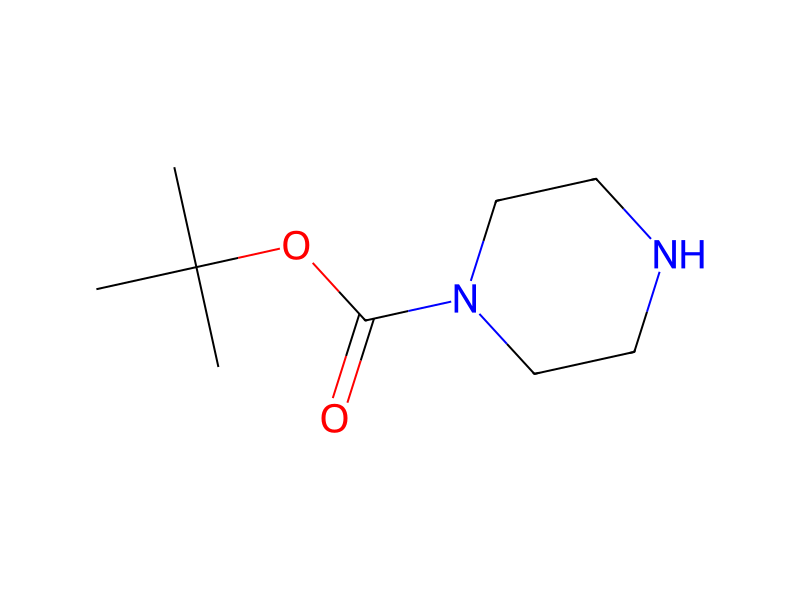
HCID 81531DiisopropylethylamineHCID 94429TriphosgeneHCID 143452tert-Butyl piperazine-1-carboxylateHCID 578124807-[(R)-1-(2,6-Dichloro-3-fluorophenyl)ethoxy]-3-(1,2,3,6-tetrahydropyridin-4-yl)furo[3,2-c]pyridin-6-ylamine

생성물 1

HCID 44181653(4-{6-Amino-7-[(R)-1-(2,6-dichloro-3-fluorophenyl)-ethoxy]-furo[3,2-c]pyridin-3-yl}-3,6-dihydro-2H-pyridin-1-yl)-piperazin-1-ylmethanone

시약·촉매·용매 1

HCID 6344Dichloromethane용매3회

실험 절차

A solution of triphosgene (4 mg, 0.01 mmol) in DCM (0.8 mL) was cooled to 0° C. A solution of 7-[(R)-1-(2,6-dichloro-3-fluorophenyl)-ethoxy]-3-(1,2,3,6-tetrahydropyridin-4-yl)-furo[3,2-c]pyridin-6-ylamine (10.0 mg, 0.0237 mmol), DIPEA (0.04 mL, 0.2 mmol) and DCM was added, and the mixture was allowed to warm to rt. A solution of tert-butyl 1-piperazinecarboxylate (8.82 mg, 0.0474 mmol) in DCM was then added, and the mixture was stirred at rt for 30 min. The material was transferred to a separatory funnel and washed with sat. aq. NaHCO3. The organic layer was concentrated in vacuo, redissolved in dioxane and transferred to a sealed tube. 4 M HCl in 1,4-dioxane (0.2 mL) was added, and the solution was heated to 50° C. for 3 h. The material was concentrated in vacuo and redissolved in DMF (0.5 mL). The solution was purified by HPLC. The fractions containing the pure product were concentrated in vacuo to afford the title compound as a brown solid. 1H NMR (CD3OD, 400 MHz): δ=1.89 (d, J=6.8 Hz, 3H), 2.56 (br, s, 2H), 3.21-3.29 (m, 4H), 3.44-3.52 (m, 4H), 3.56 (t, J=5.8 Hz, 2H), 4.08 (d, J=2.5 Hz, 2H), 6.26 (br, s, 1H), 6.50 (q, J=6.7 Hz, 1H), 7.22 (t, J=8.7 Hz, 1H), 7.40 (dd, J=9.0, 4.9 Hz, 1H), 7.66 (s, 1H), 8.19 (s, 1H). MS (ES+): m/z 534.14 [MH+]. HPLC: tR=2.16 min (ZQ2, polar—5 min).

후처리

  1. customThe material was transferred to a separatory funnel
  2. washwashed with sat. aq. NaHCO3
  3. concentrationThe organic layer was concentrated in vacuo
  4. dissolutionredissolved in dioxane
  5. customtransferred to a sealed tube
  6. addition4 M HCl in 1,4-dioxane (0.2 mL) was added
  7. temperaturethe solution was heated to 50° C. for 3 h
  8. concentrationThe material was concentrated in vacuo
  9. dissolutionredissolved in DMF (0.5 mL)
  10. customThe solution was purified by HPLC
  11. additionThe fractions containing the pure product
  12. concentrationwere concentrated in vacuo

출처 및 근거

ORD 기록
ord-bec30a6609c64340a6c39afaef3c40d0
출처 데이터셋
uspto-grants-2011_09
DOI
10.6084/m9.figshare.5104873.v1
특허 번호
US08022206B2

반응 노트

이 페이지에서참가 물질실험 절차후처리출처 및 근거반응 노트