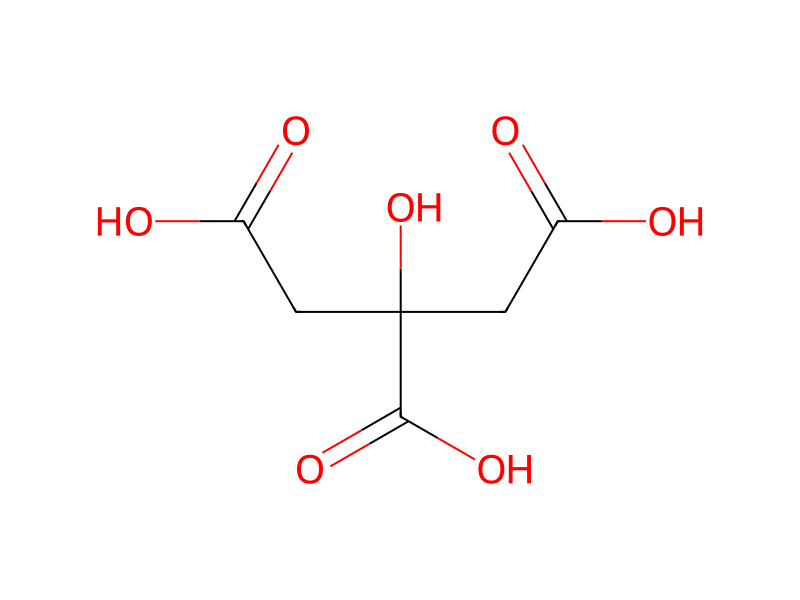
2-Methylthio-4-(3-chloro-4-methoxybenzylamino)-5-ethoxycarbonylpyrimidine (prepared in Example 67-(1)) 2.00 g is suspended in dimethyl sulfoxide 10 ml, and the suspension is treated with a 10% aqueous sodium hydroxide solution 10 ml. The reaction mixture is still in suspension even 6 hours later. After addition of dimethyl sulfoxide 5 ml the mixture is stirred at room temperature over night. The resulting clear reaction solution is acidified with citric acid. The excess water (about 50 ml) is added thereto and resulting precipitate is filtered, washed with isopropylalcohol and then isopropyl ether, and concentrated in vacuo to give 2-methylthio-4-(3-chloro-4-methoxybenzylamino)-5-carboxypyrimidine as a pale yellow impalpable powder, 1.864 g.