홈MCP워크벤치Skills
홈워크벤치알림마이페이지
llms.txt · MCP 가이드개인정보처리방침 · 이용약관 · 지원v1.8.3
  1. 홈
  2. /반응

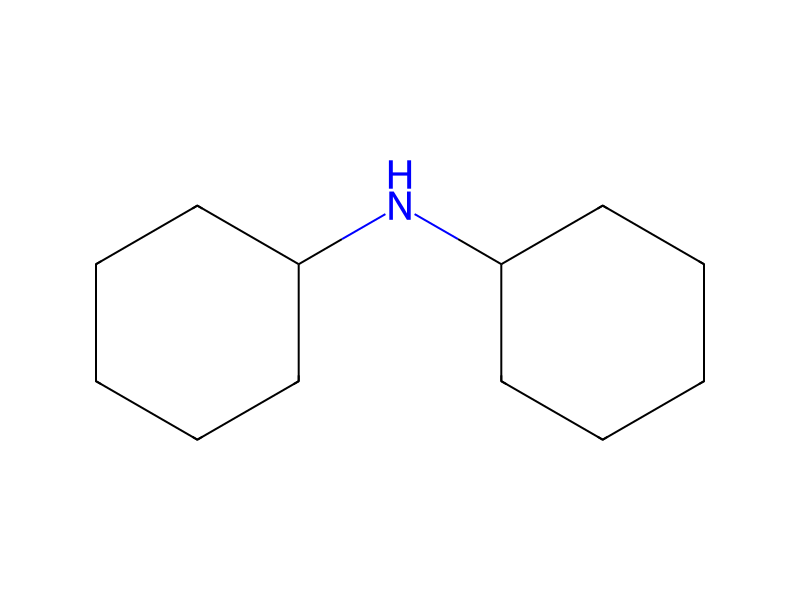
Dicyclohexylamine → 3-Ethynylimidazo[1,2-a]pyridine

HRID 923201
인쇄

반응식

HRID 923201 반응식
Br[C:2]1[N:6]2[CH:7]=[CH:8][CH:9]=[CH:10][C:5]2=[N:4][CH:3]=1.[CH:11]1(NC2CCCCC2)CCCC[CH2:12]1.C([Si](C)(C)C)#C.O.[F-].C([N+](CCCC)(CCCC)CCCC)CCC>C(#N)C.O.[Pd](Cl)Cl.C1(P(C2C=CC=CC=2)C2C=CC=CC=2)C=CC=CC=1.C1(P(C2C=CC=CC=2)C2C=CC=CC=2)C=CC=CC=1.[Cu]I>[C:11]([C:2]1[N:6]2[CH:7]=[CH:8][CH:9]=[CH:10][C:5]2=[N:4][CH:3]=1)#[CH:12]
참가 물질반응 조건실험 절차후처리출처 및 근거반응 노트

참가 물질

9

반응물 4

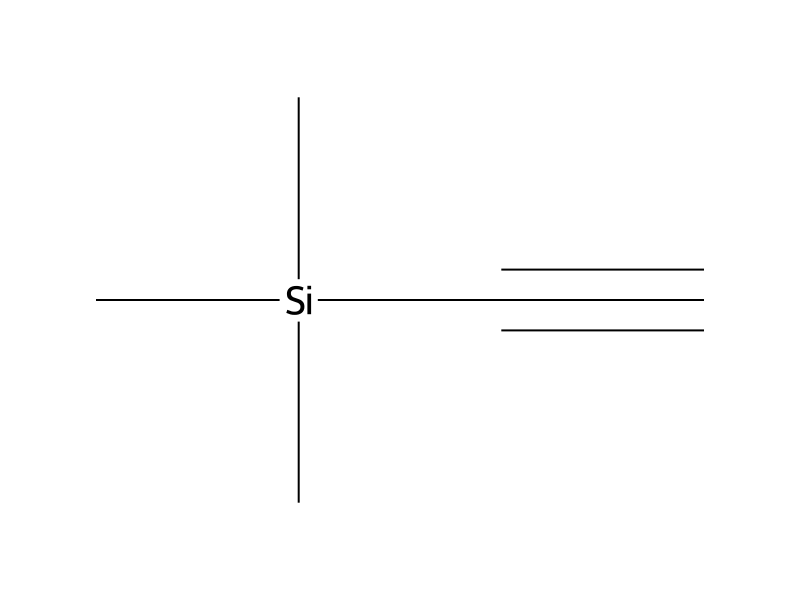
HCID 7582DicyclohexylamineHCID 66111TrimethylsilylacetyleneHCID 3279513-Bromoimidazo[1,2-a]pyridineHCID 162116731-Butanaminium, N,N,N-tributyl-, fluoride, hydrate

생성물 1

HCID 468387593-Ethynylimidazo[1,2-a]pyridine

시약·촉매·용매 4

HCID 24350
Copper(1+) iodide; Copper(I) iodide; Cuprous iodide; Cuprous iodide (CuI)
촉매
HCID 6102075Dichlorobis(triphenylphosphine)palladium촉매
HCID 962Water용매
HCID 6342Acetonitrile용매

반응 조건

온도
80 °C

실험 절차

To 3-bromoimidazo[1,2-a]pyridine (5 g, 0.0254 mol) in acetonitrile (50 mL) in a sealed tube was added bis(triphenylphosphine) palladium(II) dichloride (0.445 g, 0.634 mmol), CuI (0.17 g, 0.89 mmol), dicyclohexylamine (5.6 mL, 0.028 mol) and ethynyltrimethylsilane (7.2 mL, 0.051 mol). The solution was purged with argon for 15 minutes, sealed and heated at 80° C. for 3 h. At this point the HPLC did not show any starting bromide. The solvents were concentrated and to the residue was added water and dichloromethane (25 mL each). The organic layer was separated and the aqueous layer was repeatedly extracted with dichloromethane (3×20 mL). The combined extracts were dried (Na2SO4), and concentrated (Rf, 0.47 in 1/1 hexanes/ethyl acetate). The resulting residue was dissolved in THF (100 mL) and treated with tetrabutyl ammonium fluoride monohydrate (8.3 g, 0.032 mol) in water (5 mL) and the mixture was stirred at rt for 2 h. The solvents were concentrated and the resulting residue was partitioned between water (25 mL) and dichloromethane (150 mL). The aqueous layer was extracted with dichloromethane (2×30 mL). The combined extracts were dried (Na2SO4), and concentrated. The resulting residue was purified by combiflash on silica gel using hexanes/ethyl acetate. The desired product was eluted with 50/50 hexane/ethyl acetate and isolated as an off-white solid: MS (M+H)+ 200.

후처리

  1. customThe solution was purged with argon for 15 minutes
  2. customsealed
  3. concentrationThe solvents were concentrated and to the residue
  4. additionwas added water and dichloromethane (25 mL each)
  5. customThe organic layer was separated
  6. extractionthe aqueous layer was repeatedly extracted with dichloromethane (3×20 mL)
  7. dry with materialThe combined extracts were dried (Na2SO4)
  8. concentrationconcentrated (Rf, 0.47 in 1/1 hexanes/ethyl acetate)
  9. dissolutionThe resulting residue was dissolved in THF (100 mL)
  10. concentrationThe solvents were concentrated
  11. customthe resulting residue was partitioned between water (25 mL) and dichloromethane (150 mL)
  12. extractionThe aqueous layer was extracted with dichloromethane (2×30 mL)
  13. dry with materialThe combined extracts were dried (Na2SO4)
  14. concentrationconcentrated
  15. customThe resulting residue was purified by combiflash on silica gel
  16. washThe desired product was eluted with 50/50 hexane/ethyl acetate
  17. customisolated as an off-white solid

출처 및 근거

ORD 기록
ord-9fc9681fa6994dac9a9125f367584cf4
출처 데이터셋
uspto-grants-2016_03
DOI
10.6084/m9.figshare.5104873.v1
특허 번호
US09278971B2

반응 노트

이 페이지에서참가 물질반응 조건실험 절차후처리출처 및 근거반응 노트