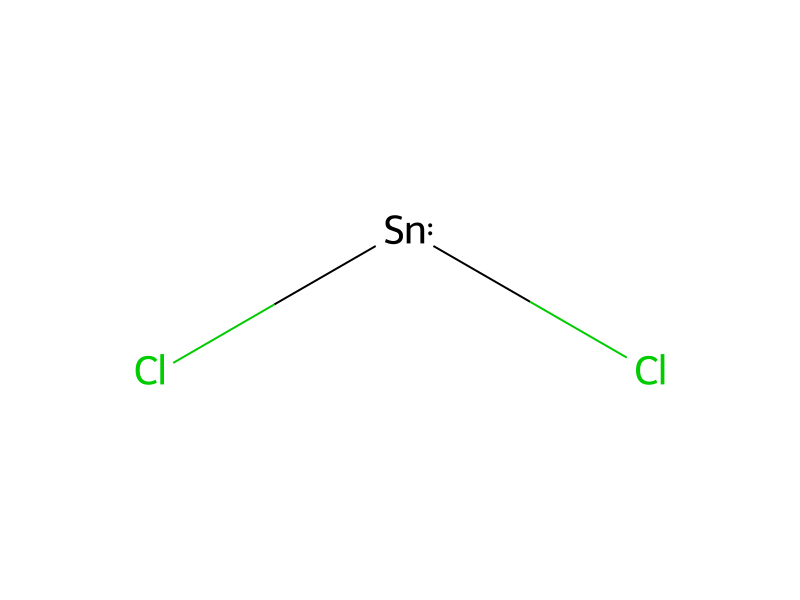
A suspension of 4(3-nitrophenyl)-2-(3-pyridyl)-thiazole hydrobromide (3.6 g, 10 mmol) in ethanol (150 ml) was treated with a solution of tin (II) chloride (3.7 g, 30 mmol) in concentrated hydrochloric acid (12 ml). The mixture was heated at 50° C. for 16 h. A further portion of tin (II) chloride (2.9 g, 15 mmol) was added and the mixture heated at 50° C. for a further 4 hours before being evaporated to dryness. The residue was partitioned between ethyl acetate and 1M aqueous sodium hydroxide. The ethyl acetate extract was dried (Na2SO4) and filtered through a plug of silica. Evaporation afforded the title compound as a yellow solid (2.15 g, 85%).