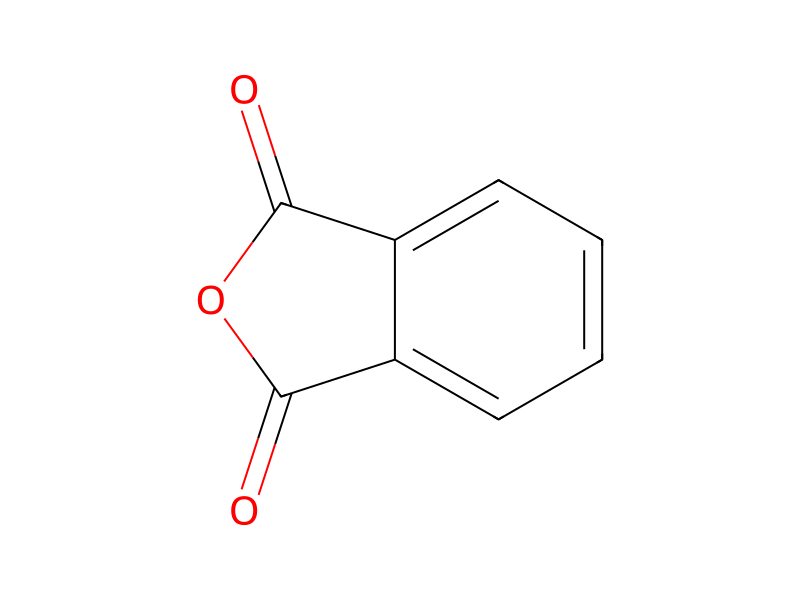
Phthalic Anhydride → HCID 69872359, compound
Reaction equation

Cl.NO.C([N:6](CC)CC)C.[C:11]1([C:17]([C:34]2[CH:39]=[CH:38][CH:37]=[CH:36][CH:35]=2)([C:28]2[CH:33]=[CH:32][CH:31]=[CH:30][CH:29]=2)[N:18]2[CH:22]=[C:21]([CH:23]3[CH2:25][CH:24]3[CH:26]=O)[N:20]=[CH:19]2)[CH:16]=[CH:15][CH:14]=[CH:13][CH:12]=1.C1(=O)OC(=O)C2=CC=CC=C12>C(#N)C>[C:11]1([C:17]([C:34]2[CH:39]=[CH:38][CH:37]=[CH:36][CH:35]=2)([C:28]2[CH:33]=[CH:32][CH:31]=[CH:30][CH:29]=2)[N:18]2[CH:22]=[C:21]([C@@H:23]3[CH2:25][C@H:24]3[C:26]#[N:6])[N:20]=[CH:19]2)[CH:16]=[CH:15][CH:14]=[CH:13][CH:12]=1Participants
Reactant 4



Product 1

Reagents, catalysts & solvents 1

Procedure
To a solution of hydroxylamine hydrochloride (816 mg, 12 mmol) in anhydrous acetonitrile (35 mL), were added triethylamine (1.6 ml, 12 mmol), and 2-[1-(triphenylmethyl)imidazol-4-yl]cyclopropanecarbaldehyde (4.0 g, 11 mmol) The resulting mixture was stirred for about 2 hours followed by the addition of phthalic anhydride (1.6 g, 11 mmol) under nitrogen. Then the reaction mixture was heated under reflux for 8 hours, concentrated under reduced pressure, diluted with 5% aqueous ammonia (30 mL), and extracted with ethyl acetate (3×40 ml). The organic layer was dried with MgSO4, and then evaporated under reduced pressure. The resulting residue was purified on a silica gel column using ethyl acetate/hexane (v/v:1/6) as the eluting solvent to give the title compound as a pale yellow solid (2.4 g, 64% yield).
Workup
- temperatureThen the reaction mixture was heated
- temperatureunder reflux for 8 hours
- concentrationconcentrated under reduced pressure
- additiondiluted with 5% aqueous ammonia (30 mL)
- extractionextracted with ethyl acetate (3×40 ml)
- dry with materialThe organic layer was dried with MgSO4
- customevaporated under reduced pressure
- customThe resulting residue was purified on a silica gel column
Sources & evidence
- ORD record
- ord-ef0a4d42071f41449566183949312845
- Source dataset
- uspto-grants-2004_09
- Patent number
- US06794405B2
Reaction notes
Loading…