Ethyl Acetate → 4-(Pyrimidin-4-yloxy)aniline
Reaction equation

Cl[C:2]1[N:7]=[CH:6][N:5]=[C:4]([O:8][C:9]2[CH:14]=[CH:13][C:12]([N+:15]([O-])=O)=[CH:11][CH:10]=2)[CH:3]=1.C(OCC)(=O)C>[OH-].[Pd+2].[OH-].CO>[NH2:15][C:12]1[CH:13]=[CH:14][C:9]([O:8][C:4]2[CH:3]=[CH:2][N:7]=[CH:6][N:5]=2)=[CH:10][CH:11]=1Participants
5
Reactant 2


Product 1

Reagents, catalysts & solvents 2

Procedure
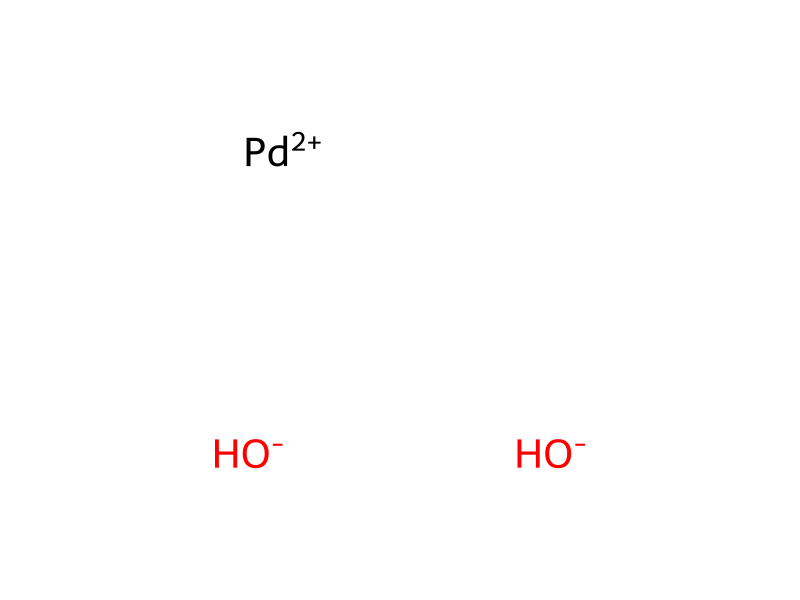
Palladium hydroxide (20 mg) was added to solution of 6-chloro-4-(4-nitrophenoxy)pyrimidine (300 mg) in an ethyl acetate (10 ml)-methanol (10 ml) mixed solvent, and the mixture was stirred for 13 hours at room temperature under a hydrogen atmosphere at normal pressure. The reaction solution was filtered, the filtrate was concentrated, and the residue was passed through NH silica gel (Fuji Silysia Chemical). Elution was performed with a solvent (ethyl acetate:hexane=1:2) to obtain 70 mg of 4-(4-aminophenoxy)pyrimidine. The title compound (107 mg) was obtained from the obtained 4-(4-aminophenoxy)pyrimidine (70 mg) and 4-methoxyphenyl isocyanate, in the same manner as Example 10.
Workup
- additionmixed solvent
- filtrationThe reaction solution was filtered
- concentrationthe filtrate was concentrated
- washElution
Sources & evidence
- ORD record
- ord-a26426dda6154a71bb830a8d55457c36
- Source dataset
- uspto-grants-2011_07
- Patent number
- US07973160B2
Reaction notes
Loading…