Sodium hydride → HCID 86620757, compound
Reaction equation

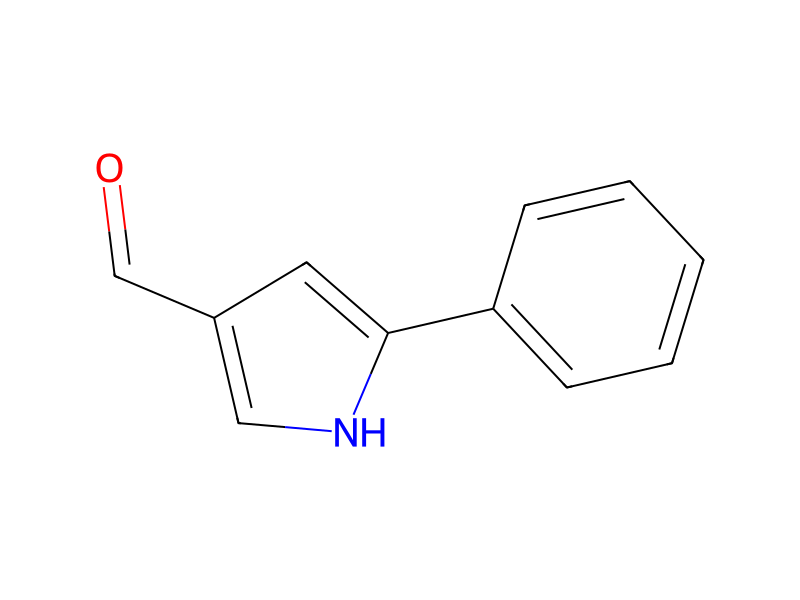
[C:1]1([C:7]2[NH:11][CH:10]=[C:9]([CH:12]=[O:13])[CH:8]=2)[CH:6]=[CH:5][CH:4]=[CH:3][CH:2]=1.[H-].[Na+].C1OCCOCCOCCOCCOC1.[Cl:31][C:32]1[C:37]([S:38](Cl)(=[O:40])=[O:39])=[CH:36][CH:35]=[CH:34][N:33]=1>>[Cl:31][C:32]1[C:37]([S:38]([N:11]2[C:7]([C:1]3[CH:6]=[CH:5][CH:4]=[CH:3][CH:2]=3)=[CH:8][C:9]([CH:12]=[O:13])=[CH:10]2)(=[O:40])=[O:39])=[CH:36][CH:35]=[CH:34][N:33]=1Participants
5




Procedure
By a reaction under similar conditions as in Reference Example 55 and using 5-phenyl-1H-pyrrole-3-carbaldehyde (514 mg), sodium hydride (60% in oil, 180 mg), 15-crown-5 (0.90 mL) and 2-chloro-3-pyridinesulfonyl chloride (716 mg), the title compound was obtained as an amorphous form (yield 716 mg, 69%).
Workup
- customBy a reaction under similar conditions as in Reference Example 55
Sources & evidence
- ORD record
- ord-4a959f4b1ba746c596f773f816437d61
- Source dataset
- uspto-grants-2011_07
- Patent number
- US07977488B2
Reaction notes
Loading…