Water → HCID 59662591, compound
Reaction equation

Br[CH:2]1[C:11]2[C:6](=[CH:7][CH:8]=[CH:9][CH:10]=2)[CH2:5][CH2:4][NH:3]1.B(O)O.C1C[O:18][CH2:17][CH2:16]1.[C:20]([O-])([O-])=O.[K+].[K+].[OH2:26]>C1C=CC([P]([Pd]([P](C2C=CC=CC=2)(C2C=CC=CC=2)C2C=CC=CC=2)([P](C2C=CC=CC=2)(C2C=CC=CC=2)C2C=CC=CC=2)[P](C2C=CC=CC=2)(C2C=CC=CC=2)C2C=CC=CC=2)(C2C=CC=CC=2)C2C=CC=CC=2)=CC=1>[CH3:20][CH:2]1[C:11]2[C:6](=[C:7]3[C:8](=[CH:9][CH:10]=2)[O:18][CH2:17][CH2:16][O:26]3)[CH2:5][CH2:4][NH:3]1Participants



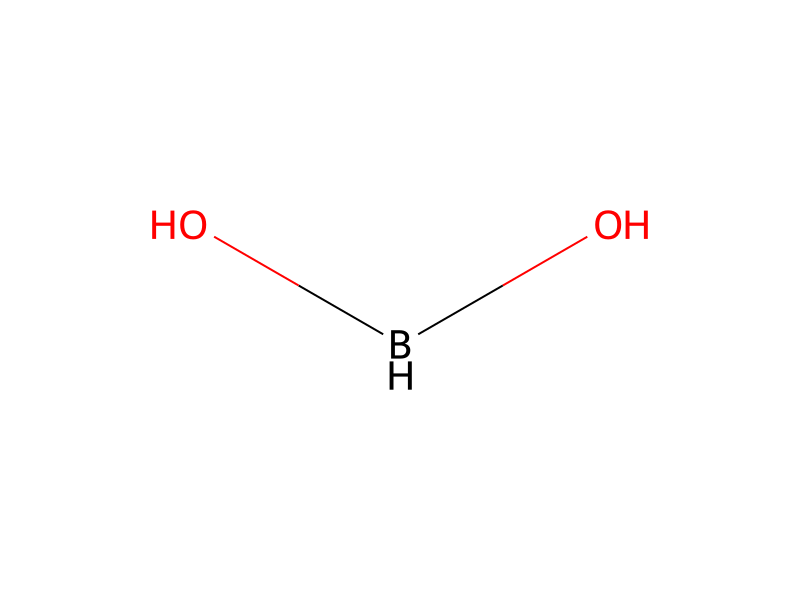



Conditions
- Temperature
- 120 °C
Procedure
1 mmol of either isomer of bromo-1,2,3,4-tetrahydro-isoquinoline, 2 eq. of corresponding boronic acid, and 12,5 mol % of Pd(PPh3)4 are placed in a microwave reactor vial (Personal Chemistry). 3 ml of THF and 2 eq of K2CO3 in 1 ml H2O are added via syringe and the vial is purged with argon. The vial is heated by microwaves at 120° C. for 40 minutes. After cooling the mixture is partitioned between CH2Cl2 and water (30 mL each). The organic layer is washed with water, brine, dried over anhydrous Na2SO4, filtered and evaporated at reduced pressure. The residue is dissolved in diethyl ether (2 mL) and treated with excess of ethereal solution of hydrogen chloride. The precipitate is collected by filtration, washed and dried to give sufficiently pure title compound as a hydrochloride salt.
Workup
- customthe vial is purged with argon
- temperatureAfter cooling the mixture
- customis partitioned between CH2Cl2 and water (30 mL each)
- washThe organic layer is washed with water, brine
- dry with materialdried over anhydrous Na2SO4
- filtrationfiltered
- customevaporated at reduced pressure
- dissolutionThe residue is dissolved in diethyl ether (2 mL)
- additiontreated with excess of ethereal solution of hydrogen chloride
- filtrationThe precipitate is collected by filtration
- washwashed
- customdried
Sources & evidence
- ORD record
- ord-deefc5eb207b47f2af0a797651ddfb10
- Source dataset
- uspto-grants-2011_07
- Patent number
- US07985753B2
Reaction notes
Loading…