Hydrochloric Acid → HCID 16733861, compound
Reaction equation

[Br:1][C:2]1[CH:3]=[CH:4][C:5](F)=[C:6]([CH:9]=1)[CH:7]=[O:8].[CH3:11][S-:12].[Na+].Cl>CN(C)C=O>[Br:1][C:2]1[CH:3]=[CH:4][C:5]([S:12][CH3:11])=[C:6]([CH:9]=1)[CH:7]=[O:8]Participants
5
Reactant 3

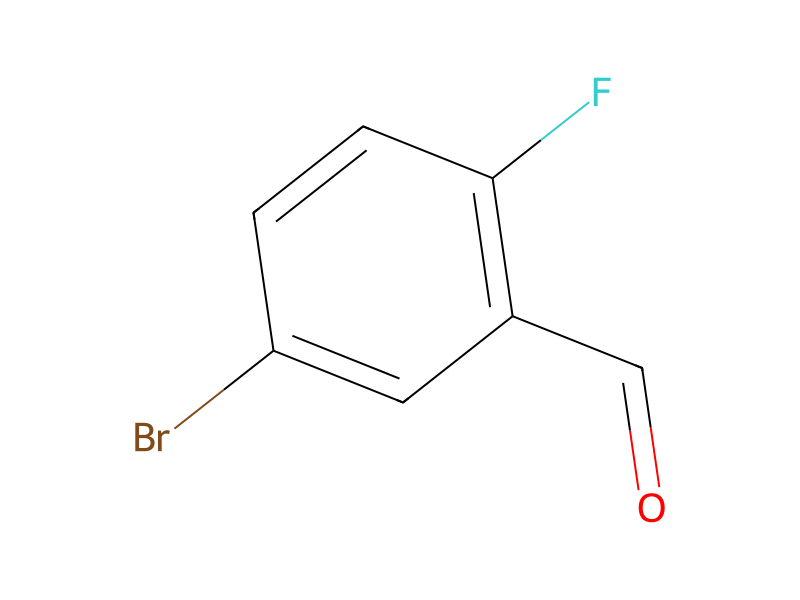
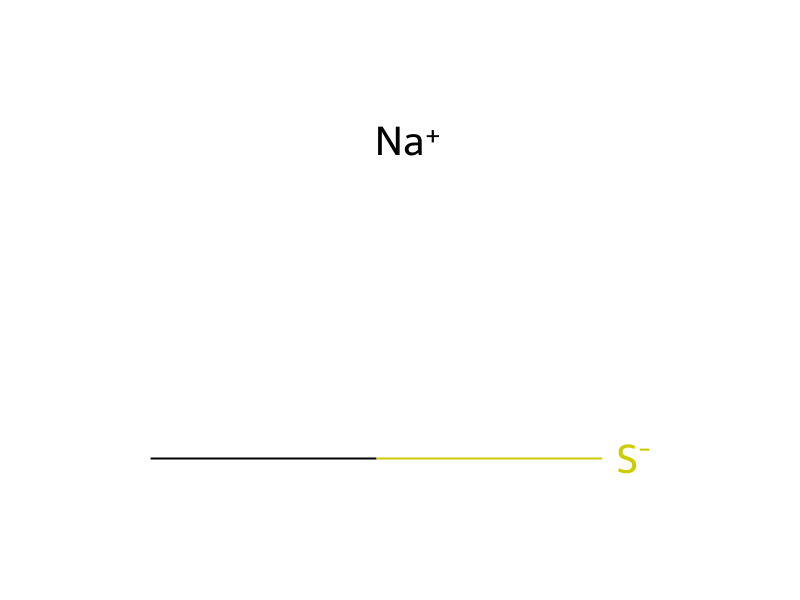
Product 1

Reagents, catalysts & solvents 1

Procedure
(Step 1) 5-Bromo-2-fluorobenzaldehyde (15.4 g) and sodium methanethiolate (5.85 g) were stirred in N,N-dimethylformamide (30 ml) at 60° C. for 30 min. The reaction solution was treated with 1N hydrochloric acid, and extracted with ethyl acetate. The extract was washed successively with aqueous sodium hydrogen carbonate solution and saturated brine, and dried over magnesium sulfate. The solvent was evaporated under reduced pressure. The residue was crystallized from ethyl acetate-hexane to give 5-bromo-2-(methylsulfanyl)benzaldehyde (11.1 g).
Workup
- extractionextracted with ethyl acetate
- washThe extract was washed successively with aqueous sodium hydrogen carbonate solution and saturated brine
- dry with materialdried over magnesium sulfate
- customThe solvent was evaporated under reduced pressure
- customThe residue was crystallized from ethyl acetate-hexane
Sources & evidence
- ORD record
- ord-1ce5fde52e884f0e9942cdcc7059b5a3
- Source dataset
- uspto-grants-2011_07
- Patent number
- US07985863B2
Reaction notes
Loading…