Bromine → HCID 18402875, compound
Reaction equation

[CH3:1][C:2]1[CH:3]=[C:4]2[C:8](=[CH:9][C:10]=1[CH3:11])[CH2:7][CH:6]=[CH:5]2.[Br:12]Br.[Br-].[K+]>[Cl-].C([N+](CCCC)(CCCC)CCCC)CCC.O.C(OCC)C>[Br:12][C:6]1[CH2:5][C:4]2[C:8]([CH:7]=1)=[CH:9][C:10]([CH3:11])=[C:2]([CH3:1])[CH:3]=2Participants





Procedure
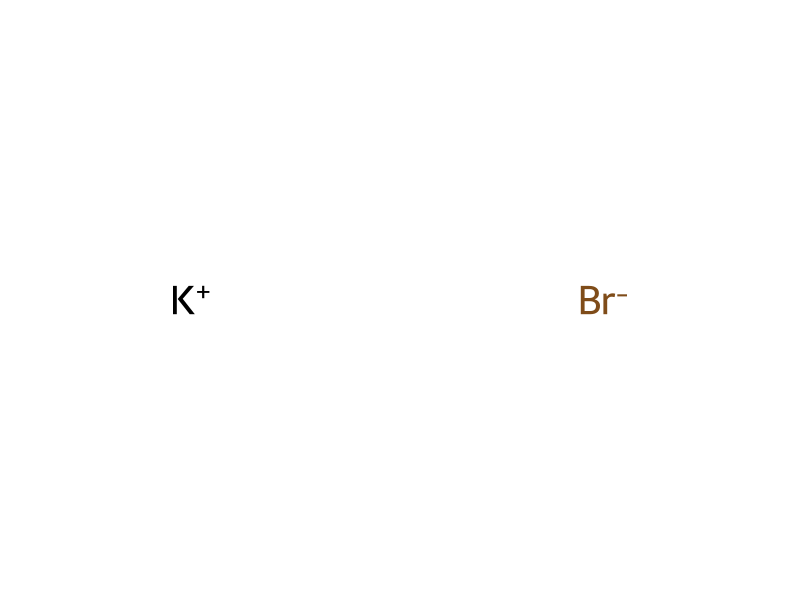
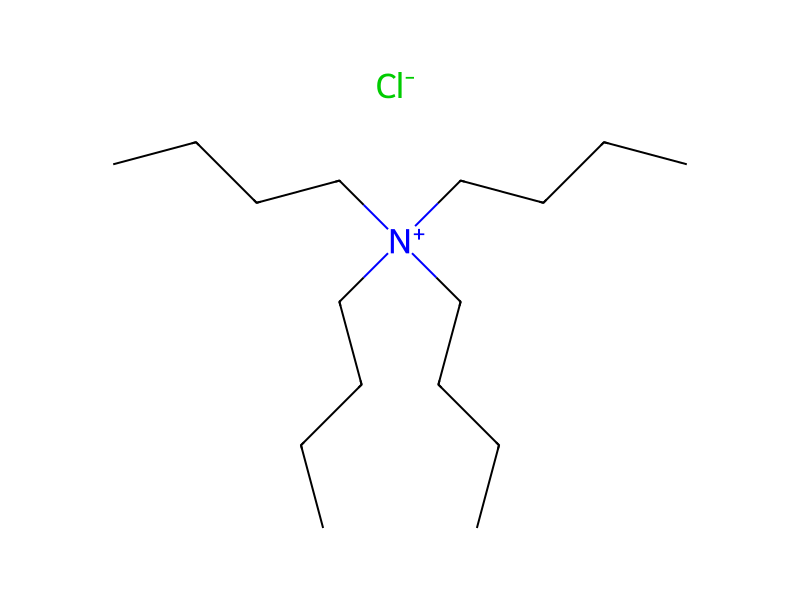
A 300 mL three-neck round bottom flask equipped with a condenser, mechanical stirrer, thermometer, and an addition funnel was charged with 5,6-dimethylindene (8.0 g, 56 mmol), tetrabutylammonium chloride (0.25 g), and water (100 mL). The addition funnel was charged with a solution of bromine (9.4 g, 0.059 mol) and potassium bromide (7.0 g, 0.059 mol) in water (100 mL total volume). The aqueous emulsion of 5,6-dimethylindene was vigorously stirred, at 45° C., during the course of a 30 minute dropwise addition of the bromine-bromide solution. Stirring was continued for another 2.5 hours at 50° C. The almost colorless reaction mixture was then cooled, diluted with water (100 mL), and diethyl ether (200 mL). The organic phase was separated, washed with water (3×200 mL), dried over anhydrous magnesium sulfate, and evaporated to near dryness. GC-MS analysis of the crude product revealed a 96% conversion of 5,6-dimethylindene. The expected 2-bromo-5,6-dimethyl-1-indanol comprised the majority of the mixture followed, in order of abundance, by 2-bromo-5,6-dimethylindene (via dehydration of the indanol), 1,2-dibromo-5,6-dimethylindane, and unreacted 5,6-dimethylindene. The entire quantity of crude product was transferred to a 300 mL three-neck round bottom flask equipped with a condenser, magnetic stir bar, and a nitrogen inlet. Toluene (200 mL), and p-toluenesulfonic acid (0.05 g) were added and the mixture was heated to reflux. GC analysis showed that the dehydration of 2-bromo-5,6-dimethyl-1-indanol was complete after 3 hours at reflux. The reaction mixture was cooled and extracted with diethyl ether (100 mL). The organic phase was separated, water washed, dried over anhydrous magnesium sulfate, and evaporated to yield crude 2-bromo-5,6-dimethylindene (11.2 g) as white oily crystals. One recrystallization from ethanol followed by two consecutive recrystallizations from hexanes gave purified 2-bromo-5,6-dimethylindene (6.5 g. 94% purity by GC) as white crystals.
Workup
- customA 300 mL three-neck round bottom flask equipped with a condenser, mechanical stirrer
- temperatureThe almost colorless reaction mixture was then cooled
- customThe organic phase was separated
- washwashed with water (3×200 mL)
- dry with materialdried over anhydrous magnesium sulfate
- customevaporated
- customThe entire quantity of crude product was transferred to a 300 mL three-neck round bottom flask
- customequipped with a condenser, magnetic stir bar, and a nitrogen inlet
- additionToluene (200 mL), and p-toluenesulfonic acid (0.05 g) were added
- temperaturethe mixture was heated to reflux
- waitwas complete after 3 hours
- temperatureat reflux
- temperatureThe reaction mixture was cooled
- extractionextracted with diethyl ether (100 mL)
- customThe organic phase was separated
- washwater washed
- dry with materialdried over anhydrous magnesium sulfate
- customevaporated
Sources & evidence
- ORD record
- ord-067fab0e8a8b4654ad680e16fb9d66ab
- Source dataset
- uspto-grants-2002_11
- Patent number
- US06479424B1
Reaction notes
Loading…