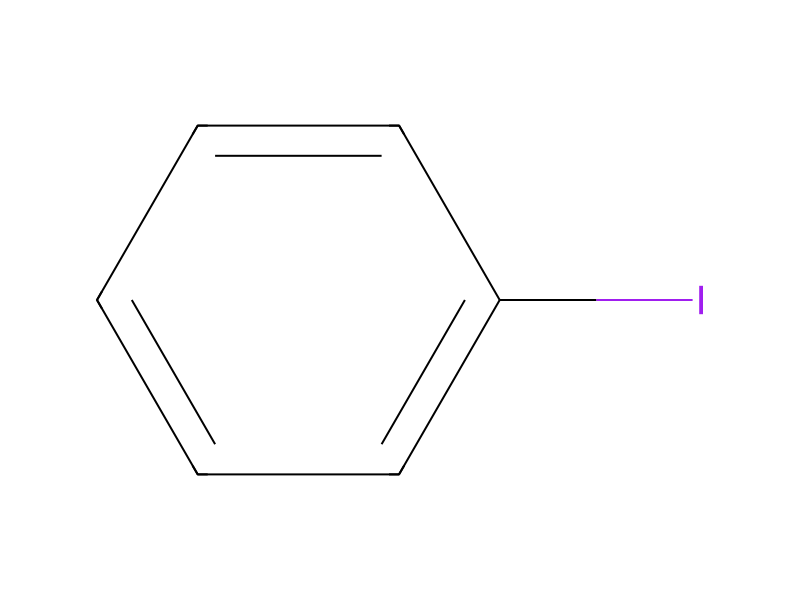
Iodobenzene → HCID 18403571, compound
Reaction equation

I[C:2]1[CH:7]=[CH:6][CH:5]=[CH:4][CH:3]=1.B1(B2OC(C)(C)C(C)(C)O2)OC(C)(C)C(C)(C)O1.B([O-])([O-])[O-].Br[C:31]1[C:35](=[O:36])[N:34]([CH3:37])[C:33](=[O:38])[C:32]=1[CH2:39][C:40]1[C:48]2[C:43](=[CH:44][CH:45]=[CH:46][CH:47]=2)[N:42]([CH3:49])[CH:41]=1>[Pd].C1C=CC(P(C2C=CC=CC=2)[C-]2C=CC=C2)=CC=1.C1C=CC(P(C2C=CC=CC=2)[C-]2C=CC=C2)=CC=1.Cl[Pd]Cl.[Fe+2]>[C:2]1([C:31]2[C:35](=[O:36])[N:34]([CH3:37])[C:33](=[O:38])[C:32]=2[CH2:39][C:40]2[C:48]3[C:43](=[CH:44][CH:45]=[CH:46][CH:47]=3)[N:42]([CH3:49])[CH:41]=2)[CH:7]=[CH:6][CH:5]=[CH:4][CH:3]=1Participants
7
Reactant 4


Product 1

Reagents, catalysts & solvents 2


Procedure
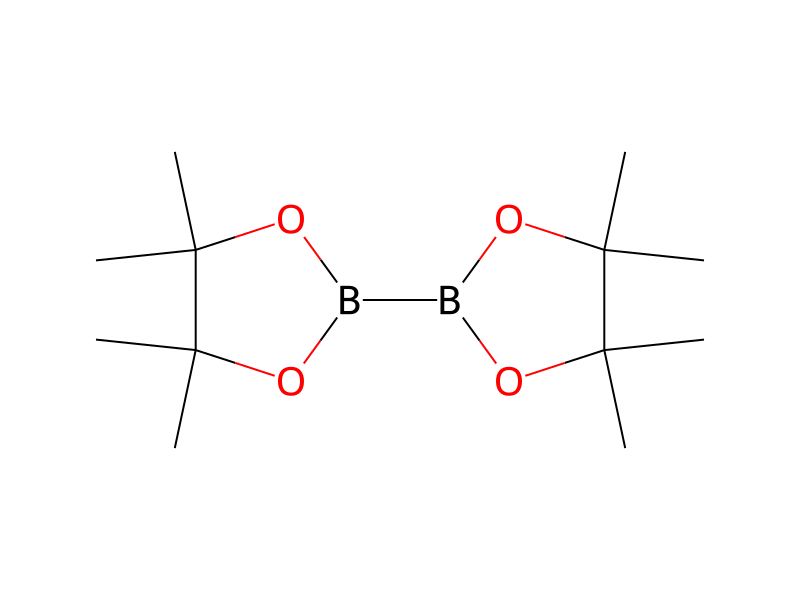
Treatment of an iodobenzene of formula 11 with bis(pinacolato)diborane in the presence of a palladium catalyst such as PdCl2(dppf), followed by coupling of the resulting borate with a 4-bromo-3-(1-methylindol-3-ylmethyl)-1-methyl-pyrrole-2,5-dione 12 under Suzuki reaction conditions provides a 4-phenyl-3-(1-methylindol-3-ylmethyl)-1-methylpyrrole-2,5-dione 13. Compounds of formula 12 can be prepared by methods well known in the art. For example, 4-bromo-3-(1-methylindol-3-yl)-1-methylpyrrole-2,5-dione can be prepared by method described in Brenner, M. et al., Tet. Lett., 44, 2887, (1988).
Sources & evidence
- ORD record
- ord-ae4fd35189784b959f835000f0a235e8
- Source dataset
- uspto-grants-2002_11
- Patent number
- US06479490B2
Reaction notes
Loading…