Trimethylsilylacetylene → HCID 15405429, compound
Reaction equation

Br[C:2]1[CH:7]=[CH:6][C:5]([F:8])=[C:4]([O:9][CH3:10])[CH:3]=1.[CH3:11][Si:12]([C:15]#[CH:16])([CH3:14])[CH3:13]>CNC.Cl[Pd](Cl)([P](C1C=CC=CC=1)(C1C=CC=CC=1)C1C=CC=CC=1)[P](C1C=CC=CC=1)(C1C=CC=CC=1)C1C=CC=CC=1.[Cu]I>[F:8][C:5]1[CH:6]=[CH:7][C:2]([C:16]#[C:15][Si:12]([CH3:14])([CH3:13])[CH3:11])=[CH:3][C:4]=1[O:9][CH3:10]Participants
6
Reactant 2


Product 1

Reagents, catalysts & solvents 3


Procedure
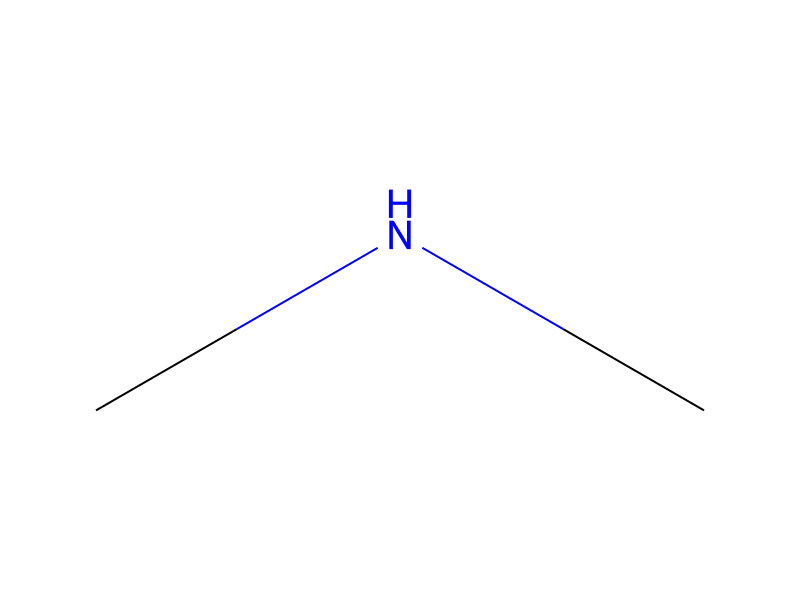
4-Bromo-2-methoxyfluorobenzene (obtainable from 5-bromo-2-fluorophenol by reaction with dimethyl sulfate under basic conditions) is reacted with trimethylsilylacetylene with catalysis by bis(triphenylphosphine)palladium(II) chloride and copper(I) iodide in dimethylamine at 20° C. to give 1-(4-fluoro-3-methoxyphenyl)-2-(trimethylsilyl)ethyne; after filtration chromatography (SiO2/dichloromethane), the crude product is stirred in methanol for 1 hour at 20° C. with addition of 1 N aqueous NaOH solution. Removal of the solvent by distillation and chromatography (SiO2/dichloromethane) gives 4-ethynyl-3-methoxyfluorobenzene.
Sources & evidence
- ORD record
- ord-d29991512cb644178c71ed074e092763
- Source dataset
- uspto-grants-2002_11
- Patent number
- US06482478B1
Reaction notes
Loading…