Hydrochloric Acid → Dimethyl 2-(2-chloro-4-nitrophenyl)malonate
Reaction equation

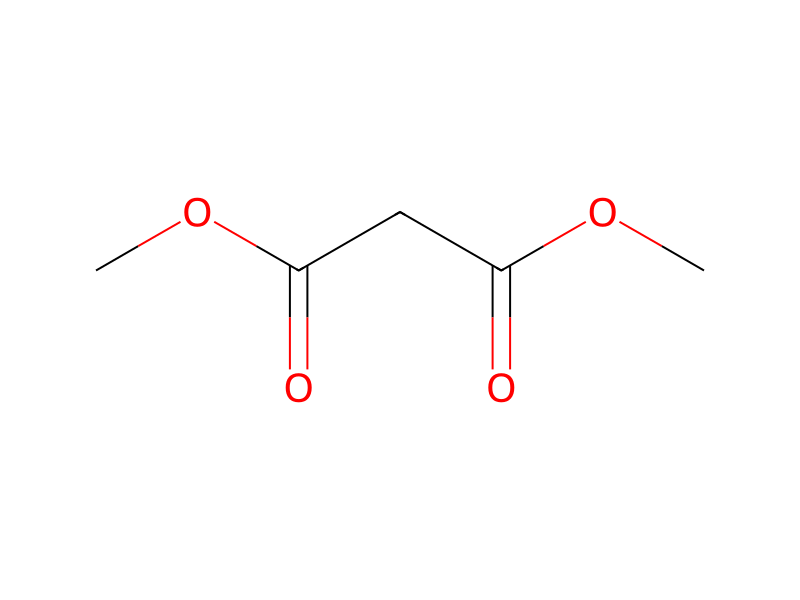
[Cl:1][C:2]1[CH:3]=[C:4]([N+:9]([O-:11])=[O:10])[CH:5]=[CH:6][C:7]=1F.[C:12]([O:19][CH3:20])(=[O:18])[CH2:13][C:14]([O:16][CH3:17])=[O:15].[OH-].[Na+].Cl>CN1CCCC1=O.O>[CH3:17][O:16][C:14](=[O:15])[CH:13]([C:7]1[CH:6]=[CH:5][C:4]([N+:9]([O-:11])=[O:10])=[CH:3][C:2]=1[Cl:1])[C:12]([O:19][CH3:20])=[O:18]Participants






Conditions
- Temperature
- 80 °C
Procedure
3-Chloro 4-fluoro nitrobenzene (5.0 g, 28.48 mmol) and dimethyl malonate (3.3 mL, 36.17 mmol) were dissolved in N-methylpyrrolidinone (131.5 mL). Sodium hydroxide (2.4 g, 60 mmol) was added at RT and the solution was heated at 80° C. for 2 hours. The reaction mixture was cooled to 5° C. and 1N HCl solution was added to give a pH of 2. Water (526 mL) was added and the resulting mixture was stirred for 15 minutes during which a pale yellow solid precipitated out. The precipitate was collected by filtration and then washed with water (2×10 mL). The resulting solid mass was dissolved in DCM (50 mL), dried (Na2SO4) and then the volatiles were removed under reduced pressure to afford the title compound (5.5 g, 67%). The product was used as such in the next step without purification.
Workup
- temperatureThe reaction mixture was cooled to 5° C.
- customto give a pH of 2
- customprecipitated out
- filtrationThe precipitate was collected by filtration
- washwashed with water (2×10 mL)
- dissolutionThe resulting solid mass was dissolved in DCM (50 mL)
- dry with materialdried (Na2SO4)
- customthe volatiles were removed under reduced pressure
Sources & evidence
- ORD record
- ord-b2898bfd4f0f49eca64dc8af447cb9cf
- Source dataset
- uspto-grants-2014_05
- Patent number
- US08716287B2
Reaction notes
Loading…