3,4-dihydro-2H-pyran → HCID 59838331, compound
Reaction equation

[Br:1][C:2]1[C:7]([CH3:8])=[CH:6][C:5]([OH:9])=[CH:4][C:3]=1[CH3:10].[O:11]1[CH:16]=[CH:15][CH2:14][CH2:13][CH2:12]1>C(Cl)Cl.C12(CS(O)(=O)=O)C(C)(C)C(CC1)CC2=O>[Br:1][C:2]1[C:7]([CH3:8])=[CH:6][C:5]([O:9][CH:12]2[CH2:13][CH2:14][CH2:15][CH2:16][O:11]2)=[CH:4][C:3]=1[CH3:10]Participants
5



Procedure
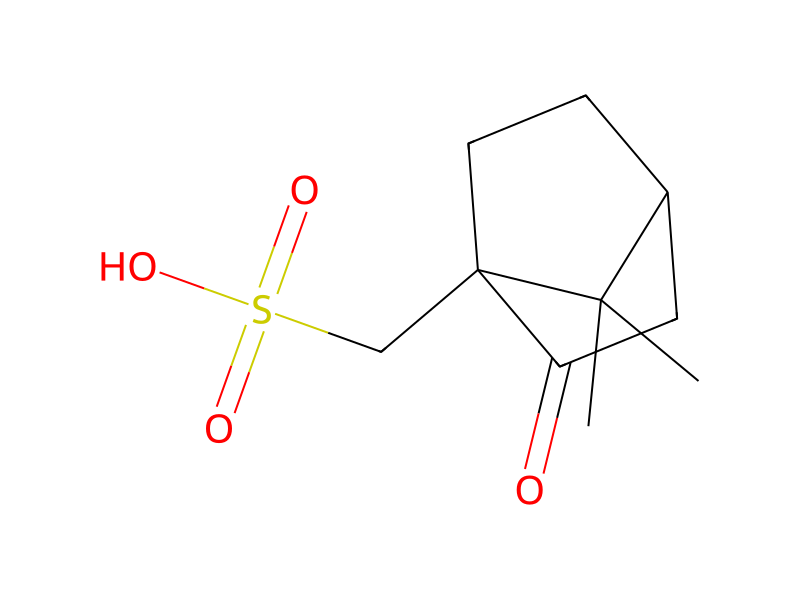
A mixture of 4-bromo-3,5-dimethylphenol (4.6 g, 22.88 mmol), 3,4 dihydro-2H-pyran (2.69 mL, 29.7 mmol) in 8.0 mL of CH2Cl2, and camphorsulfonic acid (106 mg, 4.56 mmol) was stirred at room temperature for 21 h. The reaction mixture was then quenched with equal volumes of 0.2 M NaOH and EtOAc (1:1, 20 mL) before the layers were separated. The water phase was further extracted with equal volume of EtOAc before the organic layers were combined and dried over anhydrous Na2SO4 and filtered. The solvent was removed under reduced pressure. The residue was purified by silica gel column using Combiflash to give 2-(4-bromo-3,5-dimethylphenoxy)tetrahydro-2H-pyran (23.68 g, 92%).
Workup
- customThe reaction mixture was then quenched with equal volumes of 0.2 M NaOH and EtOAc (1:1, 20 mL) before the layers
- customwere separated
- extractionThe water phase was further extracted with equal volume of EtOAc before the organic layers
- dry with materialdried over anhydrous Na2SO4
- filtrationfiltered
- customThe solvent was removed under reduced pressure
- customThe residue was purified by silica gel column
Sources & evidence
- ORD record
- ord-1ccb98faa9d64e9baf62ff2e428270be
- Source dataset
- uspto-grants-2014_05
- Patent number
- US08716478B2
Reaction notes
Loading…