Sodium Carbonate → 4-Chloro-7,8-dimethyl-imidazo[1,2-a]quinoxaline
Reaction equation

[Cl:1][C:2]1[C:3]([NH2:14])=[N:4][C:5]2[C:10]([N:11]=1)=[CH:9][C:8]([CH3:12])=[C:7]([CH3:13])[CH:6]=2.[CH2:15](OC(OCC)CBr)[CH3:16].CC1C=CC(S([O-])(=O)=O)=CC=1.C1C=C[NH+]=CC=1.C(=O)([O-])[O-].[Na+].[Na+]>O.C1COCC1>[Cl:1][C:2]1[C:3]2[N:4]([CH:15]=[CH:16][N:14]=2)[C:5]2[C:10]([N:11]=1)=[CH:9][C:8]([CH3:12])=[C:7]([CH3:13])[CH:6]=2Participants
6
Reactant 4



Product 1

Reagents, catalysts & solvents 1
Procedure
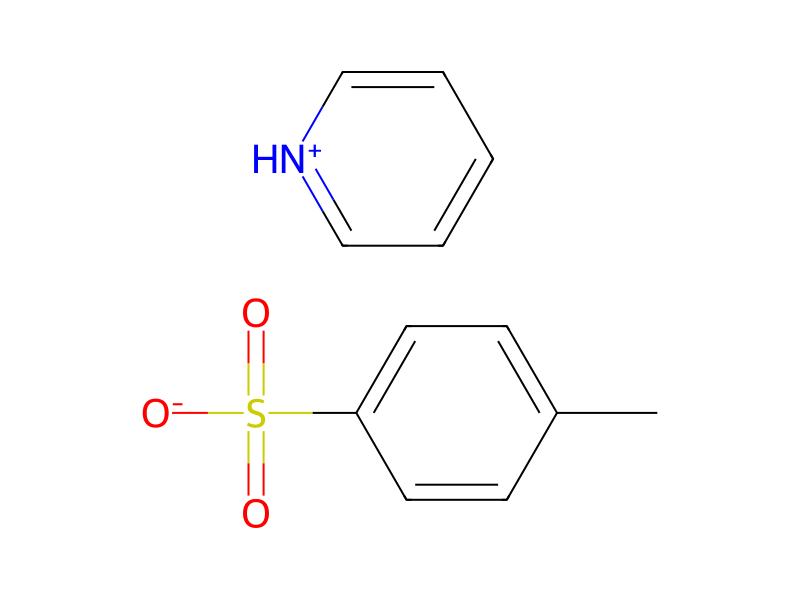
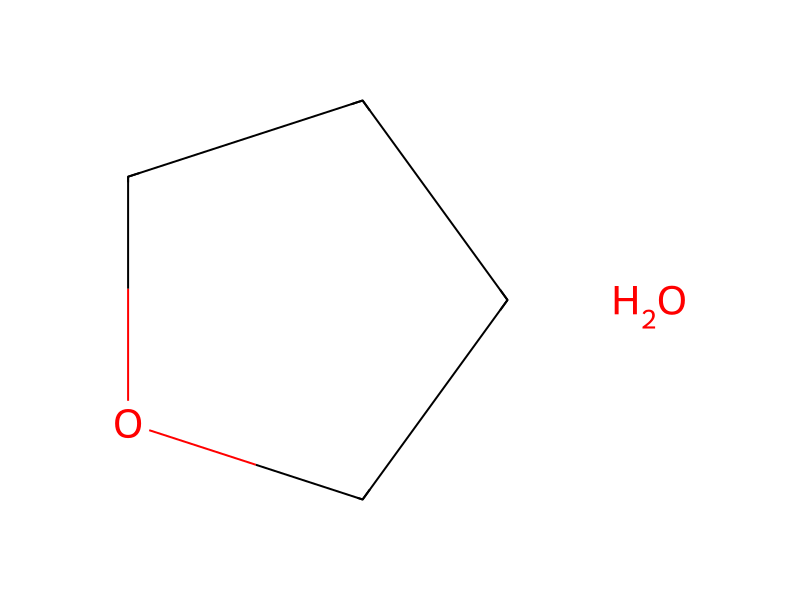
To a stirred suspension of 3-chloro-6,7-dimethyl-quinoxalin-2-ylamine (30.9 g, 0.16 mol) in water/THF 1:1 (540 mL) at room temperature was added bromoacetaldehyde diethyl acetal (94.6 g, 0.48 mol) and 5 g of PPTS in one portion. After stirring at room temperature for 1 h, the mixture was heated to reflux for 3 h under stirring and then stirred for an additional 15 h at room temperature. The pH value of the mixture was adjusted to pH 8 by addition of solid sodium carbonate. The precipitate formed was filtered off to give 25 g of the title compound. 1H-NMR (300 MHz, d6-DMSO): δ=8.85 (1H, s), 8.19 (1H, s), 7.73 (1H, bs), 7.80 (1H, bs), 3.60 (6H, s) ppm.
Workup
- temperaturethe mixture was heated
- temperatureto reflux for 3 h
- stirringunder stirring
- stirringstirred for an additional 15 h at room temperature
- customThe precipitate formed
- filtrationwas filtered off
Sources & evidence
- ORD record
- ord-27ad3a4c5ccd4239b9cd8f6df08ecdf8
- Source dataset
- uspto-grants-2014_05
- Patent number
- US08729082B2
Reaction notes
Loading…