Sodium Carbonate → 5-Phenylmethoxy-1-(4-pyridinylamino)-1H-indole
Reaction equation

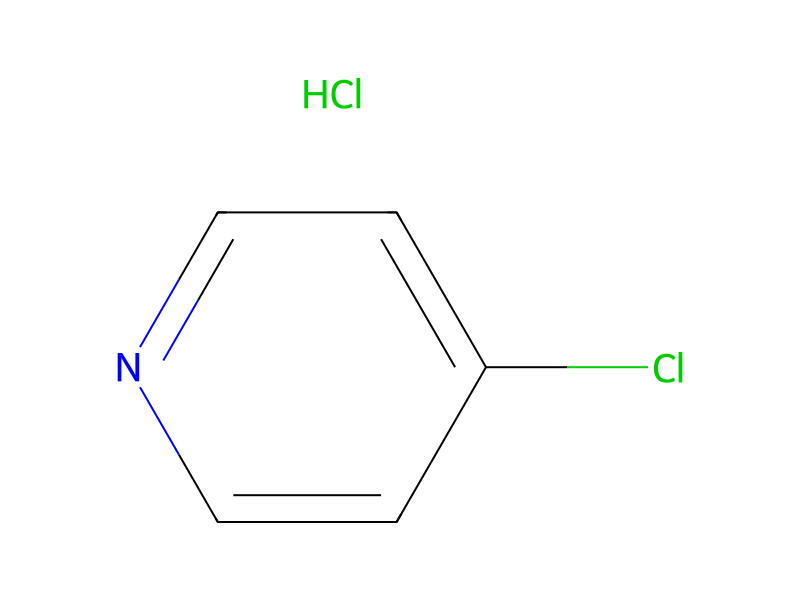
[CH3:1][N:2]1[CH2:6][CH2:5][CH2:4][C:3]1=O.[C:8]1([CH2:14][O:15][C:16]2[CH:17]=[C:18]3[C:22](=[CH:23][CH:24]=2)[N:21]([NH2:25])[CH:20]=[CH:19]3)[CH:13]=[CH:12][CH:11]=[CH:10][CH:9]=1.Cl.ClC1C=CN=CC=1.C(=O)([O-])[O-].[Na+].[Na+]>O>[C:8]1([CH2:14][O:15][C:16]2[CH:17]=[C:18]3[C:22](=[CH:23][CH:24]=2)[N:21]([NH:25][C:5]2[CH:6]=[CH:1][N:2]=[CH:3][CH:4]=2)[CH:20]=[CH:19]3)[CH:9]=[CH:10][CH:11]=[CH:12][CH:13]=1Participants
6





Conditions
- Temperature
- 80 °C
Procedure
To 250 ml of N-methyl-2-pyrrolidinone was added 5-(phenylmethoxy)-1H-indole-1-amine (29.7 g) and the solution was heated to 80° C. Then 4-chloropyridine hydrochloride (20.55 g) was added portionwise and the mixture was stirred for three hours, cooled, poured into water, basified with aqueous sodium carbonate and extracted with toluene. The organic/aqueous mixture was filtered to yield a solid (39 g), which was triturated with ether to yield a solid (27 g). Of this material, 3.0 g was eluted with 5% methanol/dichloromethane on a silica gel column via HPLC. The desired fractions were concentrated to yield a solid, 2.5 g, m.p. 143°-145° C.
Workup
- temperaturecooled
- extractionextracted with toluene
- filtrationThe organic/aqueous mixture was filtered
Sources & evidence
- ORD record
- ord-e6144b1e632647cc99d9d507b08ada77
- Source dataset
- uspto-grants-1992_04
- Patent number
- US05102891
Reaction notes
Loading…