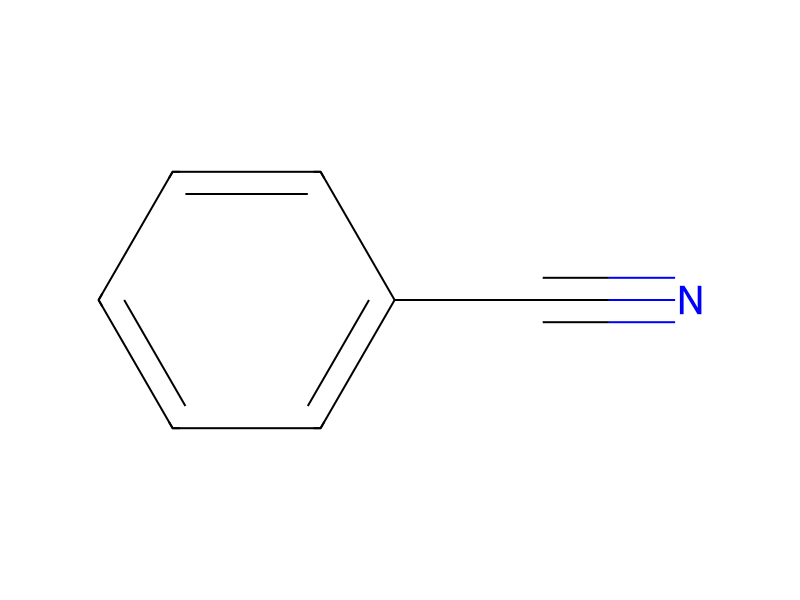
Benzonitrile → 2-(3-Phenyl-1,2,4-oxadiazol-5-yl)aniline
Reaction equation

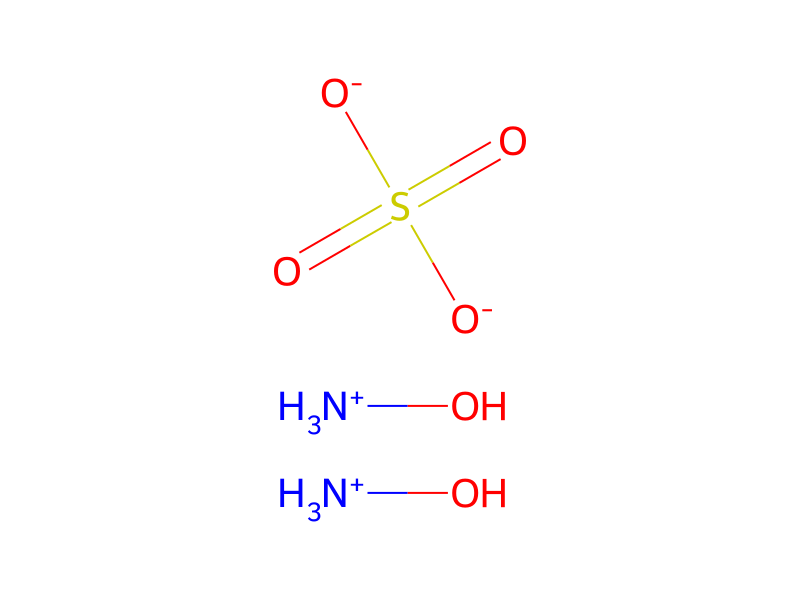
C(=O)([O-])[O-].[Na+].[Na+].S([O-])([O-])(=O)=O.O[NH3+:13].O[NH3+].[C:16]12[C:22](=[CH:23][CH:24]=[CH:25][CH:26]=1)[NH:21]C(=O)[O:19][C:17]2=O.[OH-].[Na+].[C:30](#[N:37])[C:31]1[CH:36]=[CH:35][CH:34]=[CH:33][CH:32]=1>O.C(O)C(C)C>[C:31]1([C:30]2[N:13]=[C:17]([C:16]3[CH:26]=[CH:25][CH:24]=[CH:23][C:22]=3[NH2:21])[O:19][N:37]=2)[CH:36]=[CH:35][CH:34]=[CH:33][CH:32]=1Participants






Conditions
- Temperature
- 35 °C
Procedure
To a solution of 151 g of sodium carbonate in 650 ml of water at room temperature were added in succession 650 ml of isobutanol, 268 g of benzonitrile and, a little at a time, 220 g of hydroxylammonium sulfate The mixture was then heated to 90° C. and stirred at that temperature for five hours It was then cooled back to 30-40° C. and 392 g of isatoic anhydride were added a little at a time at that temperature. The reaction mixture was then heated back up to 80° C. and 100 g of 50% strength by weight sodium hydroxide solution were added dropwise. The isobutanol was then distilled off quantitatively by introducing steam, and the coarsely crystalline residue was filtered off with suction, washed with water and dried, leaving 470 g of 2-(3-phenyl-1,2,4-oxadiazol-5-yl)aniline in a coarsely crystalline form.
Workup
- temperatureThe reaction mixture was then heated back up to 80° C.
- distillationThe isobutanol was then distilled off quantitatively
- additionby introducing steam
- filtrationthe coarsely crystalline residue was filtered off with suction
- washwashed with water
- customdried
Sources & evidence
- ORD record
- ord-aeb7e9a435754bc48b8270c31a006a8b
- Source dataset
- uspto-grants-1992_04
- Patent number
- US05104991
Reaction notes
Loading…