4-Hydroxybenzaldehyde → 1-(4-(Azetidin-3-yloxy)benzyl)azetidine
Reaction equation

[CH3:1][N:2]([CH2:4][C:5]1[CH:22]=[CH:21][C:8]([O:9][CH:10]2[CH2:13][N:12](C(OC(C)(C)C)=O)[CH2:11]2)=[CH:7][C:6]=1C)[CH3:3].N1CC(OC2C=CC(CN(C)C)=C(C)C=2)[CH2:25]1.N1CCC1.OC1C=CC(C=O)=CC=1>>[NH:12]1[CH2:13][CH:10]([O:9][C:8]2[CH:21]=[CH:22][C:5]([CH2:4][N:2]3[CH2:3][CH2:25][CH2:1]3)=[CH:6][CH:7]=2)[CH2:11]1Participants
5

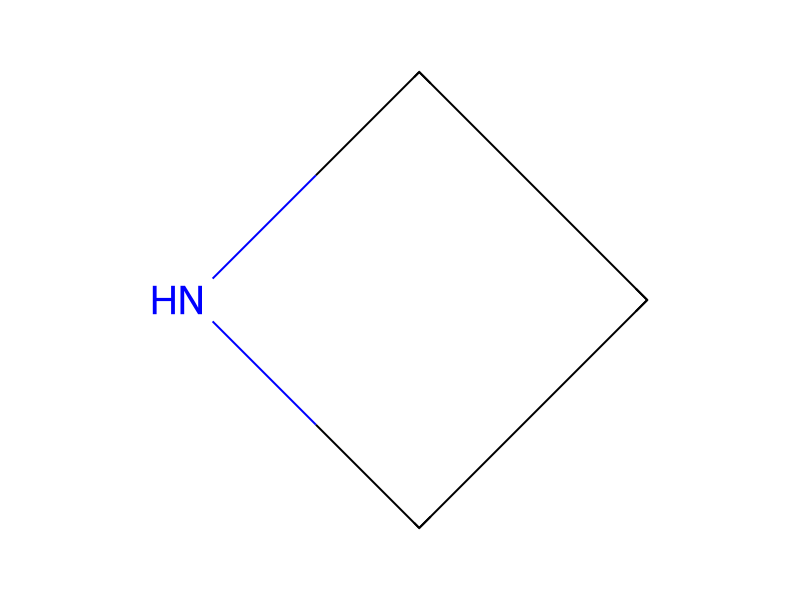


Procedure
Using similar protocols as described in Examples 20A, 20B and 20C employing azetidine and 4-hydroxybenzaldehyde as starting material afforded 0.44 g (39%) of 41A as an oil. 1H NMR (500 MHz, CDCl3): δ 2.06 (m, 2H), 3.18 (m, 4H), 3.35 (t, 1H), 3.48 (s, 2H), 3.66 (t, 1H), 3.8-5.0 (m, 3H), 6.71 (m, 2H), 7.16 (d, 2H).
Sources & evidence
- ORD record
- ord-48605add3136462ebe946ee8f998c2a6
- Source dataset
- uspto-grants-2013_10
- Patent number
- US08546375B2
Reaction notes
Loading…