Itaconic acid → Lactic acid itaconic acid epsilon-caprolactone
Reaction equation

[C:1]([OH:6])(=[O:5])[C@H:2]([CH3:4])[OH:3].[C:7]([OH:15])(=[O:14])[C:8]([CH2:10][C:11]([OH:13])=[O:12])=[CH2:9].OCC(CO)(CO)CO.[C:25]1(=[O:32])[O:31][CH2:30][CH2:29][CH2:28][CH2:27][CH2:26]1.[Sn+2]>>[C:1]([OH:6])(=[O:5])[CH:2]([CH3:4])[OH:3].[C:7]([OH:15])(=[O:14])[C:8]([CH2:10][C:11]([OH:13])=[O:12])=[CH2:9].[C:25]1(=[O:32])[O:31][CH2:30][CH2:29][CH2:28][CH2:27][CH2:26]1Participants
6


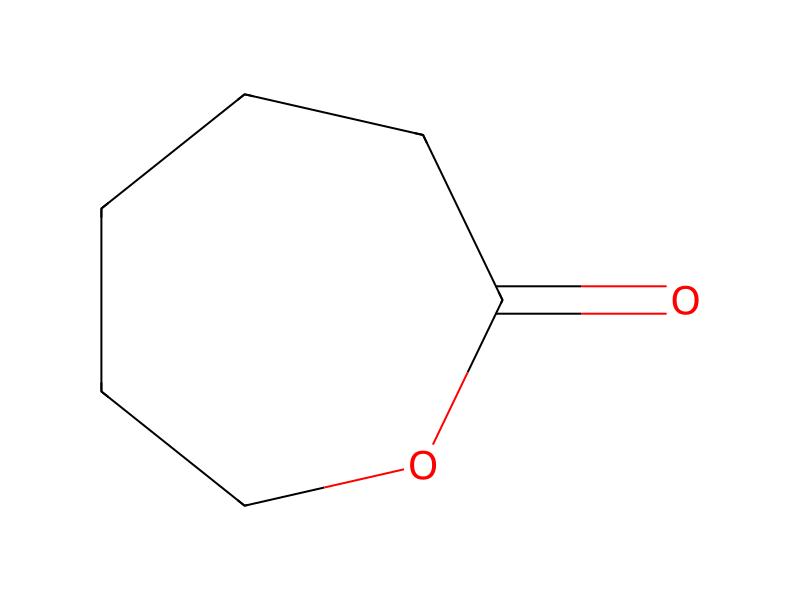


Procedure
Polymerisation was performed as in the Example 10, but the amounts of the ingredients were 113.6 g of aqueous L-lactic acid (71 mole-%), 12.3 g of itaconic acid (6 mole-%), 6.4 g of pentaerythritol (3 mole-%), 35.7 g of ε-caprolactone (20 mole-%) and 0.05 g of tin(II) octoate. Total polymerisation time was 17 hours. The product resin was sticky, elastic, rubbery, yellowish in colour and it was observed to crosslink by radicals.
Workup
- customPolymerisation
Sources & evidence
- ORD record
- ord-904cda7493874ad6ab7dd35ac4c47ae4
- Source dataset
- uspto-grants-2013_10
- Patent number
- US08563664B2
Reaction notes
Loading…