Pyruvic Acid → 7-chloro-3-methylquinoxalin-2(1h)-one
Reaction equation

[Cl:1][C:2]1[CH:3]=[C:4]([NH2:9])[C:5]([NH2:8])=[CH:6][CH:7]=1.O=[C:11]([CH3:15])[C:12](O)=[O:13]>O>[Cl:1][C:2]1[CH:3]=[C:4]2[C:5](=[CH:6][CH:7]=1)[NH:8][C:12](=[O:13])[C:11]([CH3:15])=[N:9]2.[Cl:1][C:2]1[CH:3]=[C:4]2[C:5]([N:8]=[C:11]([CH3:15])[C:12](=[O:13])[NH:9]2)=[CH:6][CH:7]=1Participants
5
Reactant 2
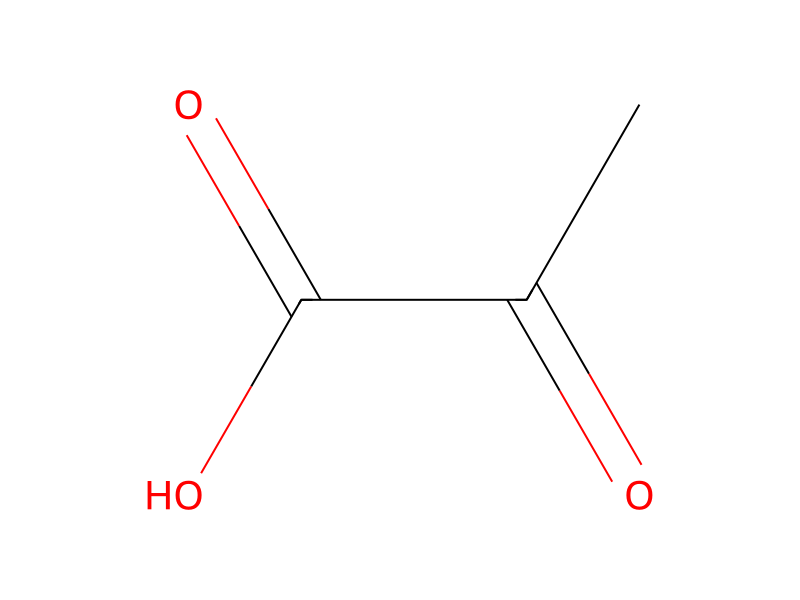

Product 2


Reagents, catalysts & solvents 1

Procedure
4-chlorobenzene-1,2-diamine (5 g, 35.1 mmol, Eq: 1.00) was stirred in water (50 ml) at room temperature. 2-Oxopropanoic acid (3.09 g, 2.44 ml, 35.1 mmol, Eq: 1.00) in water (20 ml) was added drop wise. The dark mixture was stirred at room temperature for 30 min. The precipitate was filtered off and washed with water and dried under high vacuum to give 6-chloro-3-methyl-1H-quinoxalin-2-one with 7-chloro-3-methyl-1H-quinoxalin-2-one (5.06 g, 37.1%) as brown solid. MS: m/z=195.03 (M+H+)
Workup
- filtrationThe precipitate was filtered off
- washwashed with water
- customdried under high vacuum
Sources & evidence
- ORD record
- ord-0fca87ee4d614167b080439c3007499c
- Source dataset
- uspto-grants-2016_07
- Patent number
- US09394311B2
Reaction notes
Loading…