Carbon Dioxide → Benzenamine, 4-bromo-N-methyl-
Reaction equation

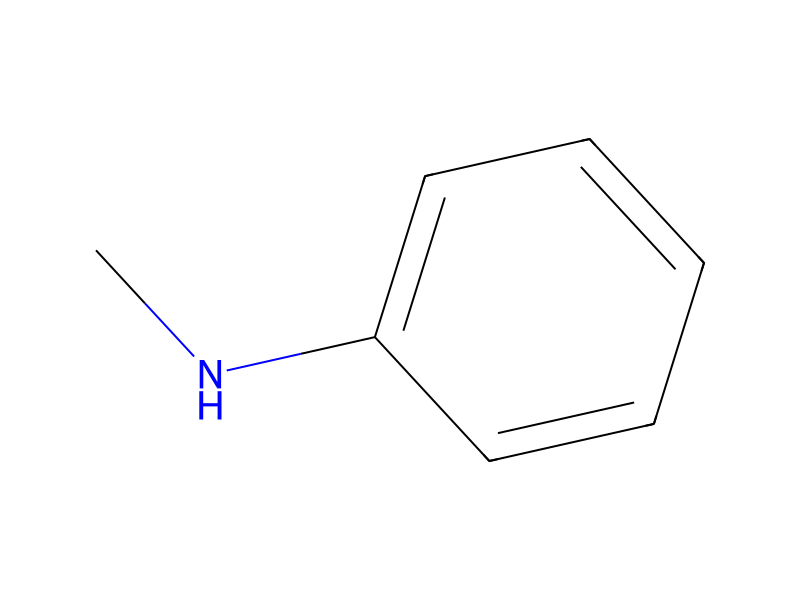
[CH3:1][NH:2][C:3]1[CH:8]=[CH:7][CH:6]=[CH:5][CH:4]=1.[Br:9]Br.C(=O)([O-])[O-].[Na+].[Na+].C(=O)=O>[Br-].C([N+](CCCC)(CCCC)CCCC)CCC.C(Cl)Cl>[Br:9][C:6]1[CH:7]=[CH:8][C:3]([NH:2][CH3:1])=[CH:4][CH:5]=1Participants
7






Conditions
- Temperature
- 0 °C
Procedure
10.7 g N-methylaniline (XXI), 32.1 g tetrabutylammonium bromide [(C4H9)4N+Br31]and 100 ml methylene chloride (CH2Cl2) were placed in a three-necked flask and cooled down to 0° C. with iced saline. 15.8 g bromine (Br2) was dropped slowly with stirring and was stirred for 4 hours while maintaining at 0° C. The temperature was allowed to raise to room temperature and saturated sodium carbonate solution was dropped slowly till evolution of carbon dioxide is ceased. Water layer was separated and extracted with methylene chloride for three times. The organic layers were combined and dried over anhydrous sodium sulfate. Methylene chloride was evaporated to yield 26 g 4-bromo-N-methylaniline (XXII).
Workup
- stirringwas stirred for 4 hours
- temperaturewhile maintaining at 0° C
- temperatureto raise to room temperature
- customWater layer was separated
- extractionextracted with methylene chloride for three times
- dry with materialdried over anhydrous sodium sulfate
- customMethylene chloride was evaporated
Sources & evidence
- ORD record
- ord-ada22a29e0cf4cd2ac711d966c818dea
- Source dataset
- uspto-grants-2003_02
- Patent number
- US06514956B1
Reaction notes
Loading…