1,2-Epoxycyclododeca-5,9-diene → 13-Oxabicyclo[10.1.0]tridecane
Reaction equation

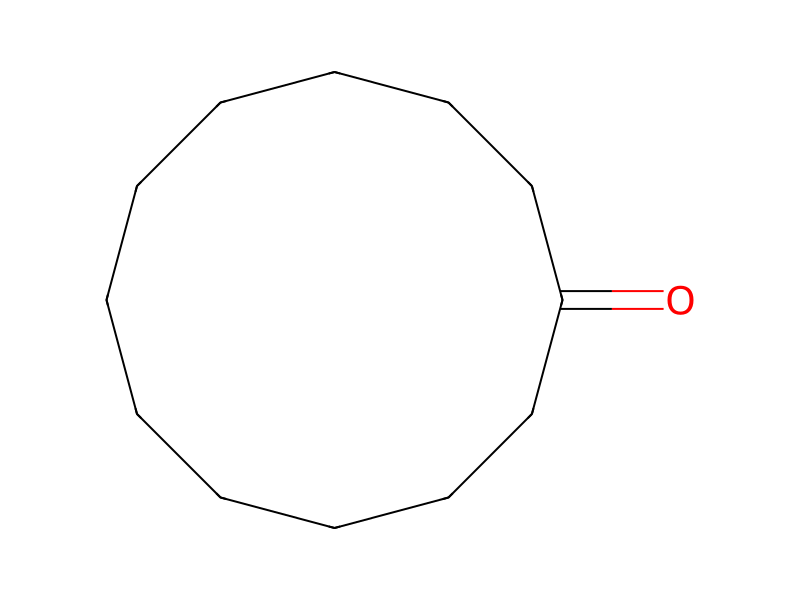
[O:1]1[CH:3]2[CH2:4][CH2:5][CH:6]=[CH:7][CH2:8][CH2:9][CH:10]=[CH:11][CH2:12][CH2:13][CH:2]12.[H][H]>[Pd]>[O:1]1[CH:3]2[CH2:4][CH2:5][CH2:6][CH2:7][CH2:8][CH2:9][CH2:10][CH2:11][CH2:12][CH2:13][CH:2]12.[CH:2]1([OH:1])[CH2:13][CH2:12][CH2:11][CH2:10][CH2:9][CH2:8][CH2:7][CH2:6][CH2:5][CH2:4][CH2:3]1.[C:2]1(=[O:1])[CH2:13][CH2:12][CH2:11][CH2:10][CH2:9][CH2:8][CH2:7][CH2:6][CH2:5][CH2:4][CH2:3]1Participants
6
Reactant 2


Product 3


Reagents, catalysts & solvents 1

Procedure
Further, Neftekhimiya, 16 (1), 114-119 (1976) discloses a catalytic reaction of 1,2-epoxy-5,9-cyclododecadiene with hydrogen in the presence of a palladium-carried catalyst at a reaction temperature of 140° C. under a hydrogen gas pressure of 8,106 kPa (80 atmospheres). In this reaction, epoxycyclododecane was produced in a yield of 49.5%, cyclododecanol in a yield of 33.3%, and cyclododecanone in a yield of 3.4%.
Workup
- customat a reaction temperature of 140° C.
- customIn this reaction
Sources & evidence
- ORD record
- ord-6f5fb04ddc0b43c5accf30f57e194f3d
- Source dataset
- uspto-grants-2003_02
- Patent number
- US06515185B1
Reaction notes
Loading…