Potassium Carbonate → 2-[(3-Bromophenoxy)methyl]pyridine
Reaction equation

[Br:1][C:2]1[CH:3]=[C:4]([OH:8])[CH:5]=[CH:6][CH:7]=1.Cl.[N:10]1[CH:15]=[CH:14][CH:13]=[CH:12][C:11]=1[CH2:16]Cl.C(=O)([O-])[O-].[K+].[K+]>CN(C=O)C>[Br:1][C:2]1[CH:3]=[C:4]([CH:5]=[CH:6][CH:7]=1)[O:8][CH2:16][C:11]1[CH:12]=[CH:13][CH:14]=[CH:15][N:10]=1Participants
5
Reactant 3

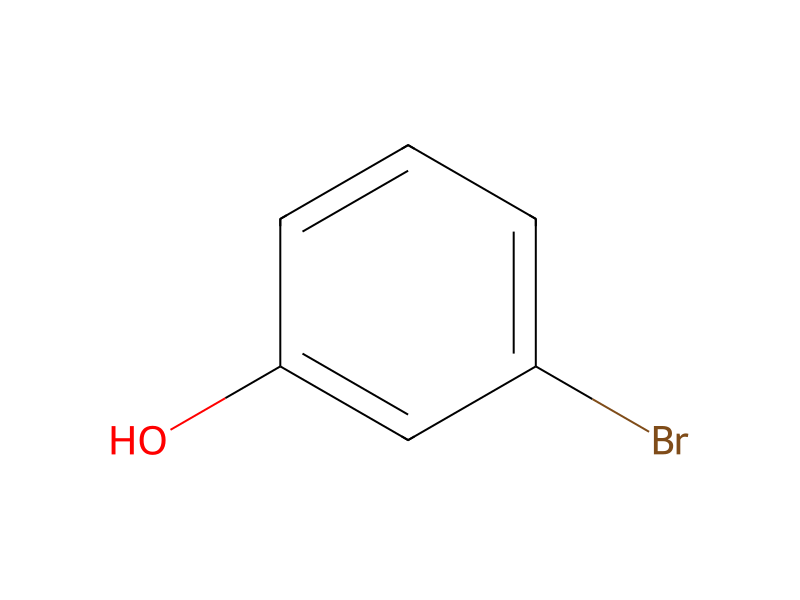

Product 1

Reagents, catalysts & solvents 1

Procedure
3-Bromophenol (1.00 g, 5.8 mmol), 2-picolyl chloride hydrochloride (950 mg, 5.8 mmol) and potassium carbonate (3.20 g, 23 mmol) were stirred together in DMF (10 mL) at room temperature overnight. The solvent was removed in vacuo, azeotroping with xylene to remove the last traces of DMF. The residual material was partitioned between ethyl acetate (70 mL) and water (70 mL), then the organic phase was washed with saturated sodium chloride solution (1×50 mL), was dried over magnesium sulfate, and was concentrated in vacuo to afford 2-(3-bromophenoxymethyl)pyridine (1.48 g, 97%). m/z (ES+) 265 [MH]+.
Workup
- customThe solvent was removed in vacuo
- customazeotroping with xylene
- customto remove the last traces of DMF
- customThe residual material was partitioned between ethyl acetate (70 mL) and water (70 mL)
- washthe organic phase was washed with saturated sodium chloride solution (1×50 mL)
- dry with materialwas dried over magnesium sulfate
- concentrationwas concentrated in vacuo
Sources & evidence
- ORD record
- ord-48a0ce49428b464f854f8657309d5f33
- Source dataset
- uspto-grants-2005_11
- Patent number
- US06960598B2
Reaction notes
Loading…