Toluene → HCID 68982683, compound
Reaction equation

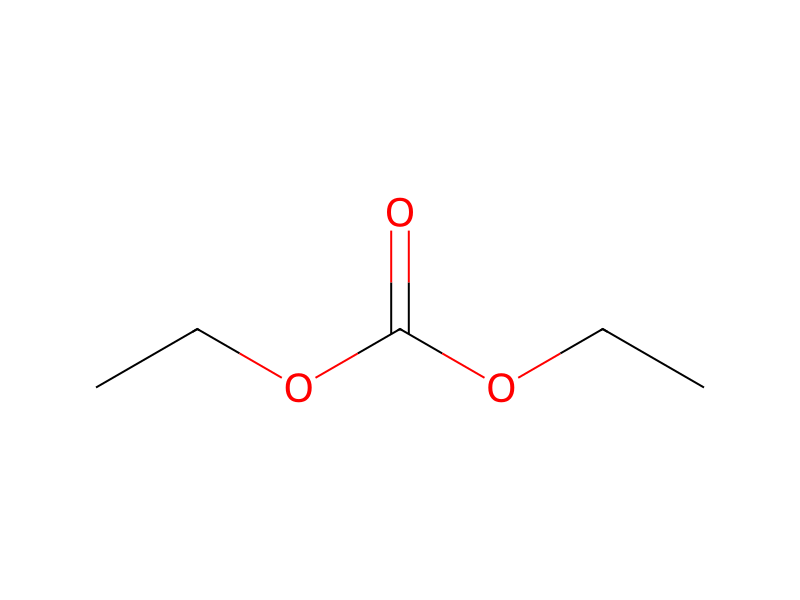
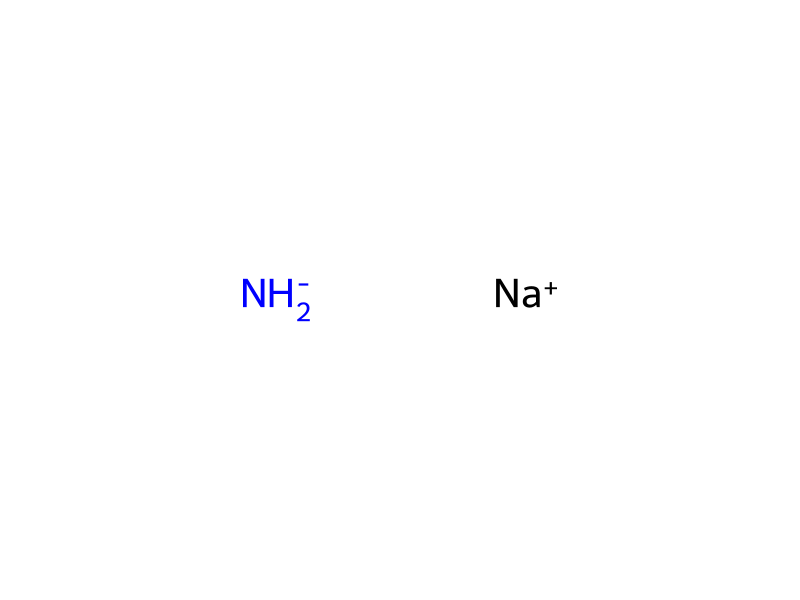
[CH3:1][O:2][C:3]1[CH:4]=[C:5]2[C:10](=[CH:11][CH:12]=1)[N:9]=[CH:8][CH:7]=[C:6]2[CH3:13].[NH2-].[Na+].C1(C)C=CC=CC=1.[CH2:23]([O:25][C:26](=O)[O:27]CC)[CH3:24]>C(OCC)C>[CH2:23]([O:25][C:26](=[O:27])[CH2:13][C:6]1[C:5]2[C:10](=[CH:11][CH:12]=[C:3]([O:2][CH3:1])[CH:4]=2)[N:9]=[CH:8][CH:7]=1)[CH3:24]Participants
Reactant 4


Product 1

Reagents, catalysts & solvents 1

Conditions
- Temperature
- 0 °C
Procedure
6-Methoxy-4-methyl-quinoline (0.791 g, 4.572 mmol) was dissolved in anhydrous diethyl ether and cooled to 0° C. under an argon atmosphere. To the stirred mixture was added sodamide as a 50% w/w slurry in toluene (0.36 g, 4.57 mmol). The resulting slurry was allowed to warm to room temperature and was stirred for 1 hour. To this was added diethylcarbonate (0.28 ml, 2.29 mmol). The reaction mixture was then stirred at reflux for 10 hours after which time it was quenched with water (2 ml). The mixture was partitioned between ethyl acetate (2×100 ml) and water (20 ml). The organic phases were combined and dried over magnesium sulfate. The volatiles were removed under reduced pressure and the residue subjected to purification on silica gel using an ethyl acetate-hexane gradient. This provided the desired product as a brown oil (90 mg, 7%).
Workup
- temperatureto warm to room temperature
- stirringThe reaction mixture was then stirred
- temperatureat reflux for 10 hours after which time it
- customwas quenched with water (2 ml)
- customThe mixture was partitioned between ethyl acetate (2×100 ml) and water (20 ml)
- dry with materialdried over magnesium sulfate
- customThe volatiles were removed under reduced pressure
- customthe residue subjected to purification on silica gel using an ethyl acetate-hexane gradient
Sources & evidence
- ORD record
- ord-1d13ea73ff424cb3b87eb150a2bdee54
- Source dataset
- uspto-grants-2005_11
- Patent number
- US06962917B2
Reaction notes
Loading…