Dimethylformamide → 2-Bromo-4-phenylthioaniline
Reaction equation

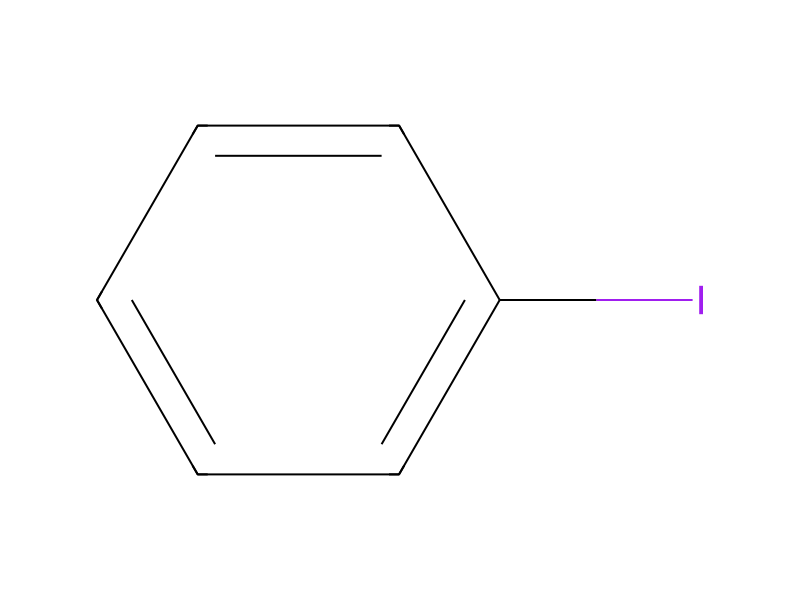
[Br:1][C:2]1[CH:8]=[C:7]([S:9][C:10]#N)[CH:6]=[CH:5][C:3]=1[NH2:4].CN(C)C=O.[S-2].[Na+].[Na+].I[C:21]1[CH:26]=[CH:25]C=[CH:23][CH:22]=1>O>[Br:1][C:2]1[CH:8]=[C:7]([S:9][C:10]2[CH:25]=[CH:26][CH:21]=[CH:22][CH:23]=2)[CH:6]=[CH:5][C:3]=1[NH2:4]Participants
Reactant 4



Product 1

Reagents, catalysts & solvents 1

Conditions
- Temperature
- 50 °C
Procedure
A solution of 2-bromo-4-thiocyanoaniline (91.6 g., 0.4 mole) and dimethylformamide is added dropwise to a solution of sodium sulfide (0.48 mole) and water, under nitrogen, and the resulting solution is heated at 50° C. for one hour. Cuprous oxide (34.33 g., 0.24 mole) and iodobenzene (97.9 g., 0.48 mole) are added and the mixture is heated at a heating bath temperature of 150° C. for 4.5 hours. The reaction is quenched with water, methylene chloride is added and the resulting mixture is filtered through filter aid to remove suspended solids. The aqueous and organic layers are separated, and the aqueous layer is extracted three times with methylene chloride. The methylene chloride extracts are combined, washed with water and dried. Removal of the drying agent and methylene chloride gives the desired product in 95% of the theoretical yield. A purified sample melts at 61°-63° C.
Workup
- temperaturethe mixture is heated at a heating bath temperature of 150° C. for 4.5 hours
- customThe reaction is quenched with water, methylene chloride
- additionis added
- filtrationthe resulting mixture is filtered
- filtrationthrough filter aid
- customto remove
- customThe aqueous and organic layers are separated
- extractionthe aqueous layer is extracted three times with methylene chloride
- washwashed with water
- customdried
- customRemoval of the drying agent and methylene chloride
Sources & evidence
- ORD record
- ord-75a6e46ef72e40aaa7ea081b7175049b
- Source dataset
- uspto-grants-1982_05
- Patent number
- US04331817
Reaction notes
Loading…