Acridine, 1,2,3,4-tetrahydro-9-chloro- → HCID 15888164, compound
Reaction equation

Cl[C:2]1[C:3]2[C:8]([N:9]=[C:10]3[C:15]=1[CH2:14][CH2:13][CH2:12][CH2:11]3)=[CH:7][CH:6]=[CH:5][CH:4]=2.Cl.[F:17][C:18]1[CH:26]=[CH:25][CH:24]=[CH:23][C:19]=1[CH2:20][O:21][NH2:22].C(=O)(O)[O-].[Na+]>C(O)CC>[F:17][C:18]1[CH:26]=[CH:25][CH:24]=[CH:23][C:19]=1[CH2:20][O:21][NH:22][C:2]1[C:3]2[C:8]([N:9]=[C:10]3[C:15]=1[CH2:14][CH2:13][CH2:12][CH2:11]3)=[CH:7][CH:6]=[CH:5][CH:4]=2Participants
5
Reactant 3



Product 1

Reagents, catalysts & solvents 1
Procedure
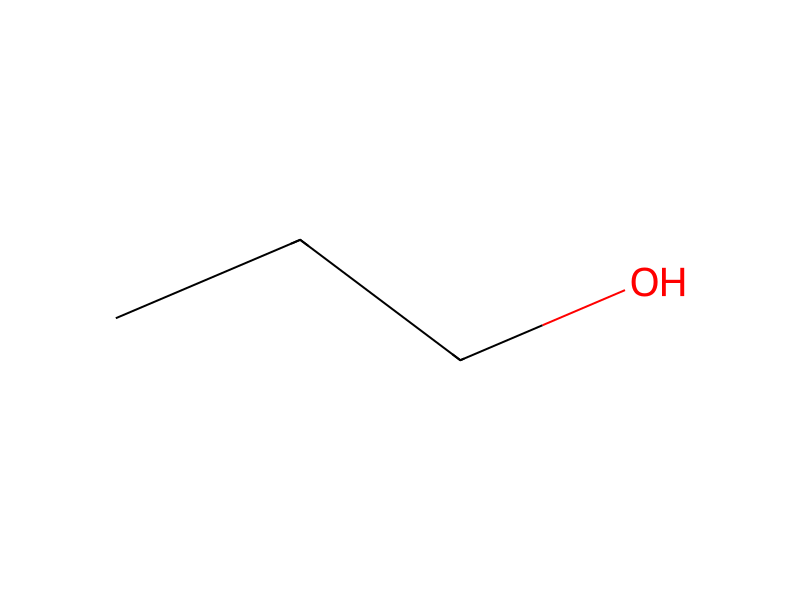
A mixture of 9-chloro-1,2,3,4-tetrahydroacridine (6.18 g) and O-(2-fluorobenzyl)hydroxylamine hydrochloride (5.5 g) in 125 ml of n-propanol was heated at reflux for 20 hours. The reaction mixture was then added to an iced sodium bicarbonate solution and extracted with ethyl acetate (3×). The combined organics were washed with water and dried (saturated NaCl, MgSO4).
Workup
- temperaturewas heated
- temperatureat reflux for 20 hours
- extractionextracted with ethyl acetate (3×)
- washThe combined organics were washed with water
- dry with materialdried (saturated NaCl, MgSO4)
Sources & evidence
- ORD record
- ord-6aa04bcfbf944cffbc53482f903f7c03
- Source dataset
- uspto-grants-2001_06
- Patent number
- US06248750B1
Reaction notes
Loading…