Aniline → quinolin-4-ol
Reaction equation

B.C([O:9][CH2:10][C:11]1[CH:16]=[CH:15][CH:14]=[CH:13][CH:12]=1)C1C=CC=CC=1.[NH2:17][C:18]1C=CC=C[CH:19]=1.C(OC=C(C(OCC)=O)C(OCC)=O)C.C1(OC2C=CC=CC=2)C=CC=CC=1>>[OH:9][C:10]1[C:11]2[C:12](=[CH:13][CH:14]=[CH:15][CH:16]=2)[N:17]=[CH:18][CH:19]=1Participants




Procedure
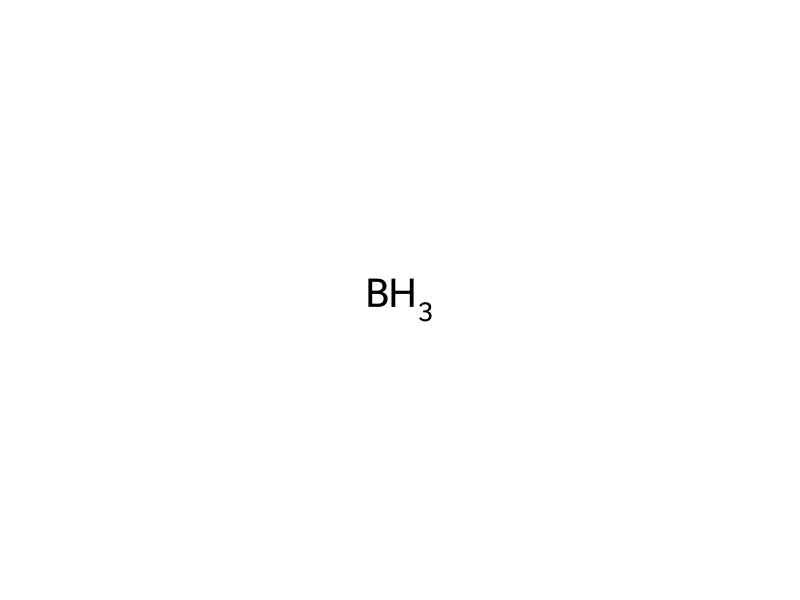
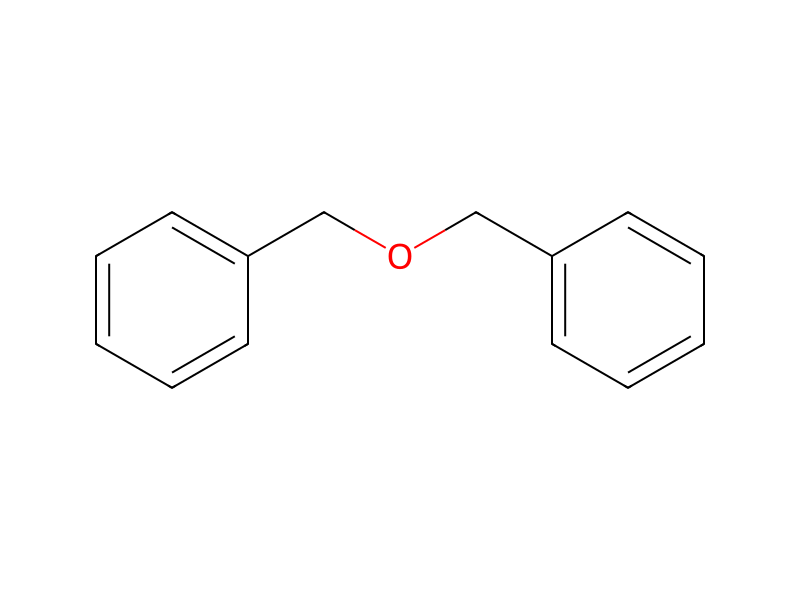
In CHART C, carboxylic acid C-1, 3-methyl-3-(4-nitrophenyl)butanoic acid prepared by carbonylation of the corresponding Grignard, is reduced to the corresponding alcohol with borane. The resulting alcohol C-2 is protected as the benzyl ether and the corresponding nitro functionality is reduced to aniline C-3. Heating C-3 with diethyl ethoxymethylenemalonate followed by thermolysis in refluxing diphenylether affords the 4-hydroxyquinoline C-4. Aminolysis of compound C-4 with 4-chlorobenzylamine at about 190 ° C. provides amide C-5 which is then alkylated at the pyridone nitrogen with an alkylhalide and potassium carbonate to afford compound C-6. Deprotection of the benzyl ether under hydrogenolysis conditions affords the desired hydroxyalkyl 4-quinolone carboxamide of formula I of the present invention.
Sources & evidence
- ORD record
- ord-11d08cdff3174d019c126d99e310cbfd
- Source dataset
- uspto-grants-2001_06
- Patent number
- US06248736B1
Reaction notes
Loading…