Ethanolamine → 2-(4-methylphenyl)oxazoline
Reaction equation

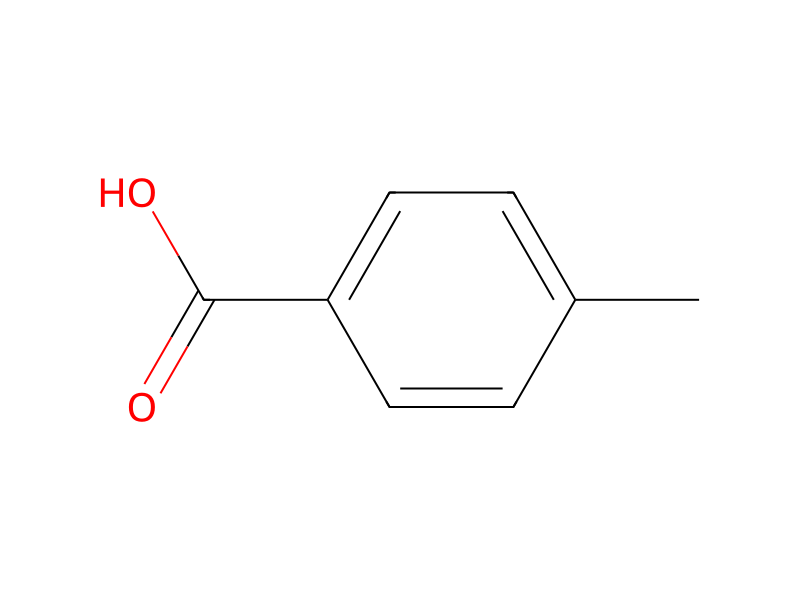
CC1C=CC(C(O)=O)=CC=1.O[CH2:12][CH2:13][NH:14][C:15]([C:17]1[CH:22]=[CH:21][C:20]([CH3:23])=[CH:19][CH:18]=1)=[O:16].C(N1C=CN=C1)(N1C=CN=C1)=O.C(CN)O.CS(Cl)(=O)=O>>[CH3:23][C:20]1[CH:21]=[CH:22][C:17]([C:15]2[O:16][CH2:12][CH2:13][N:14]=2)=[CH:18][CH:19]=1Participants



Procedure
This synthesis requires a brominated intermediate, which is prepared by a four-step process, as illustrated in FIG. 3. p-Toluic acid is first converted to N-(2-hydroxyethyl)-4-toluamide, using carbonyldiimidazole (CDI) and ethanolamine. This first intermediate is then converted to a N-[2-methanesulfonyloxy]-4-toluamide, using methanesulfonyl chloride. This second intermediate is then cyclized to form 2-(4-methylphenyl)oxazoline by processes analogous to those described in Example 7, below. This third intermediate is then brominated, using N-bromosuccinimide and benzoyl peroxide as described in Example 3, to produce 2-[(4-bromomethyl)phenyl]-oxazoline. This intermediate is then reacted with hydroxy compound [2], using a procedure similar to that described in Example 3, to give the desired compound, GERI-E6.
Workup
- customis prepared by a four-step process
Sources & evidence
- ORD record
- ord-5e980e481beb4836b7fc92e4b3ffac0d
- Source dataset
- uspto-grants-2001_06
- Patent number
- US06251898B1
Reaction notes
Loading…