methyl 3-iodo-1H-indole-2-carboxylate → HCID 13442948, compound
Reaction equation

[CH3:1][O:2][C:3]([C:5]1[NH:6][C:7]2[C:12]([C:13]=1I)=[CH:11][CH:10]=[CH:9][CH:8]=2)=[O:4].[C:15]([Cu])#[N:16]>CN(C=O)C.C1COCC1.C1C=CC(P(C2C=CC=CC=2)[C-]2C=CC=C2)=CC=1.C1C=CC(P(C2C=CC=CC=2)[C-]2C=CC=C2)=CC=1.[Fe+2]>[CH3:1][O:2][C:3]([C:5]1[NH:6][C:7]2[C:12]([C:13]=1[C:15]#[N:16])=[CH:11][CH:10]=[CH:9][CH:8]=2)=[O:4]Participants
6

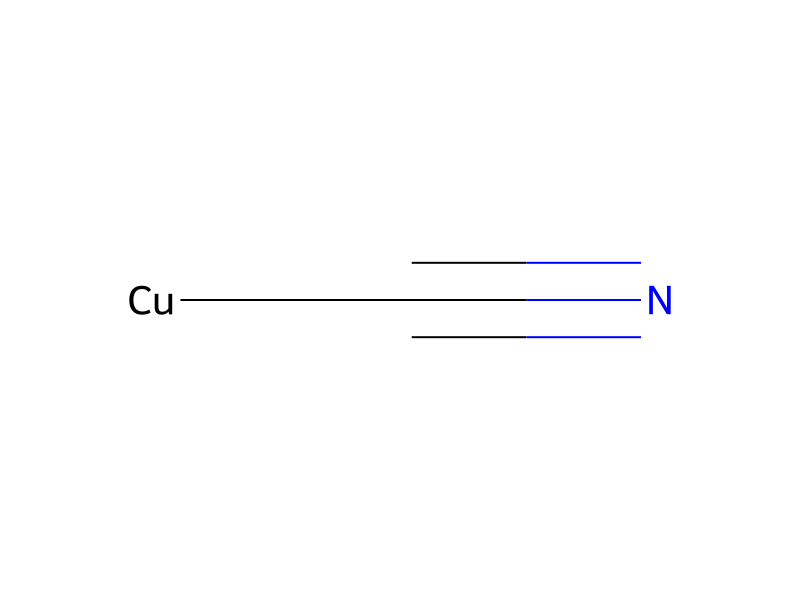




Conditions
- Temperature
- 80 °C
Procedure
To a solution of 2 g 3-Iodo-1H-indole-2-carboxylic acid methyl ester in 10 ml DMF and 20 ml THF, 1.5 g CuCN, 434 mg Et4NCN and 461 mg DPPF were added and the mixture was purged with argon for 15 min. Then, 254 mg Pd2(dba)3 were introduced and the reaction was heated to 80° C. for 5 h. Finally, 10 ml saturated NaHCO3 solution were added and the mixture was filtered through a chem elut® cartridge by elution with DCM. After subsequent removal of the solvent under reduced pressure the residue was purified by chromatography on silica gel with ethylacetate as eluent. The fractions containing the product were evaporated to yield a white solid. Yield: 1.2 g.
Workup
- customthe mixture was purged with argon for 15 min
- additionThen, 254 mg Pd2(dba)3 were introduced
- additionFinally, 10 ml saturated NaHCO3 solution were added
- filtrationthe mixture was filtered through a chem elut® cartridge by elution with DCM
- customAfter subsequent removal of the solvent under reduced pressure the residue
- customwas purified by chromatography on silica gel with ethylacetate as eluent
- additionThe fractions containing the product
- customwere evaporated
- customto yield a white solid
Sources & evidence
- ORD record
- ord-4db94578e40142a2bed39554e8da9e84
- Source dataset
- uspto-grants-2005_06
- Patent number
- US06906084B2
Reaction notes
Loading…