Sodium hydride → HCID 22058664, compound
Reaction equation

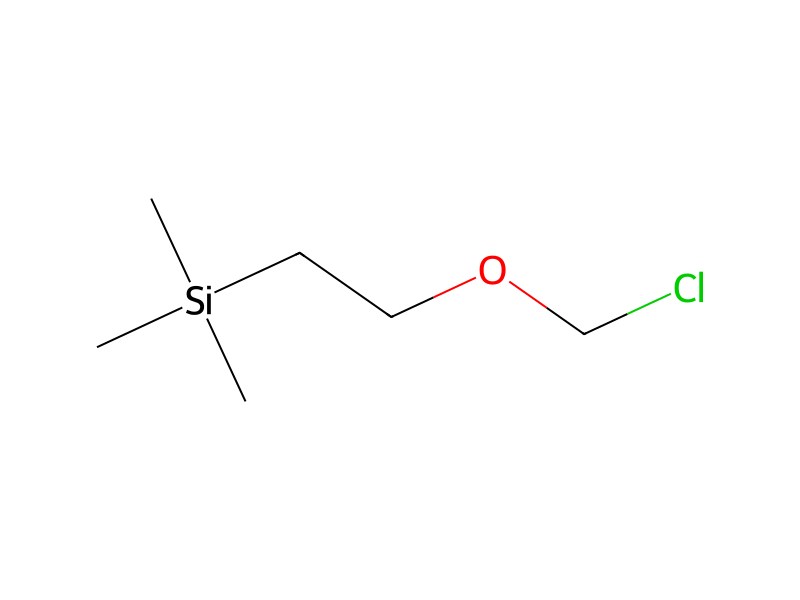
[Br:1][C:2]1[N:3]=[C:4]([CH3:8])[NH:5][C:6]=1[Br:7].[H-].[Na+].[CH3:11][Si:12]([CH3:19])([CH3:18])[CH2:13][CH2:14][O:15][CH2:16]Cl>CN(C)C=O>[Br:1][C:2]1[N:3]=[C:4]([CH3:8])[N:5]([CH2:16][O:15][CH2:14][CH2:13][Si:12]([CH3:19])([CH3:18])[CH3:11])[C:6]=1[Br:7]Participants




Procedure
4,5-Dibromo-2-methylimidazol (4.91 g) was dissolved in N,N-dimethyl-formamide (50 ml) and 60% sodium hydride (901 mg was gradually added under ice-cooling. The mixture was stirred for 1 hr at room temperature, and 2-(trimethylsilyl)ethoxymethyl chloride (3.75 g) was gradually added dropwise under ice-cooling and the mixture was stirred at room temperature overnight. The solvent was evaporated under reduced pressure and ethyl acetate was added to the residue. The residue was washed with a saturated aqueous sodium hydrogencarbonate solution, and then with brine. The organic layer was dried over anhydrous magnesium sulfate and evaporated under reduced pressure to remove the solvent The residue was purified by silica gel column chromatography (hexane/ethyl acetate=3/1) to give the objective compound (7.6 g) as a colorless oil.
Workup
- temperaturecooling
- temperaturecooling
- stirringthe mixture was stirred at room temperature overnight
- customThe solvent was evaporated under reduced pressure and ethyl acetate
- additionwas added to the residue
- washThe residue was washed with a saturated aqueous sodium hydrogencarbonate solution
- dry with materialThe organic layer was dried over anhydrous magnesium sulfate
- customevaporated under reduced pressure
- customto remove the solvent The residue
- customwas purified by silica gel column chromatography (hexane/ethyl acetate=3/1)
Sources & evidence
- ORD record
- ord-1e3965b439924abb9aa85a37bd615e8f
- Source dataset
- uspto-grants-2005_06
- Patent number
- US06911469B2
Reaction notes
Loading…