Triphenylphosphine → Triphenylphosphine Oxide
Reaction equation

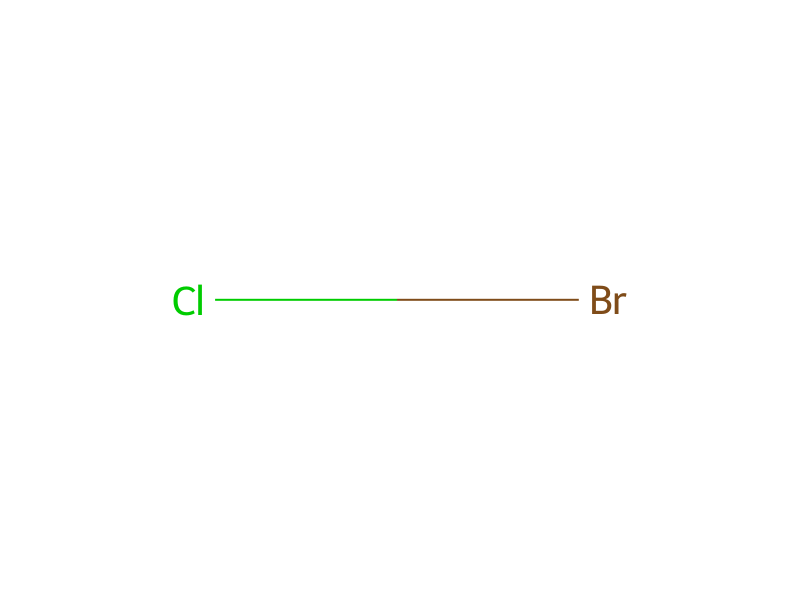
[C:1]1([P:7]([C:14]2[CH:19]=[CH:18][CH:17]=[CH:16][CH:15]=2)[C:8]2[CH:13]=[CH:12][CH:11]=[CH:10][CH:9]=2)[CH:6]=[CH:5][CH:4]=[CH:3][CH:2]=1.BrCl.P.C[OH:24].C(Cl)CCl>>[C:14]1([P:7](=[O:24])([C:1]2[CH:2]=[CH:3][CH:4]=[CH:5][CH:6]=2)[C:8]2[CH:13]=[CH:12][CH:11]=[CH:10][CH:9]=2)[CH:15]=[CH:16][CH:17]=[CH:18][CH:19]=1Participants




Procedure
A solution of triphenylphosphine (2.62 g, 10 mmol) in a methanol-EDC mixture (100 mL, 50:50, Vol.) was placed in a 250-mL round bottom flask and cooled in an ice bath. Stabilized BrCl (15 wt. % solution, 7.5 mL, 12 mmol) was added dropwise to the homogeneous phosphine solution. The reddish-brown color of the BrCl solution disappeared instantaneously as it was added. An orange color persisted during the addition of the last 0.5 mL, indicating total conversion. The reaction mixture was allowed to stand for 30 minutes at room temperature and then was quenched with a few drops of sodium sulfite solution which totally decolorized it. Dilution with EDC (100 mL) and washing with water (100 mL) was followed by phase separation. The organic layer was dried (Na2SO4) and concentrated to afford 2.64 g (95% yield) of triphenylphospine oxide as a white solid in 97% purity (3% starting material).
Workup
- temperaturecooled in an ice bath
- additionwas added
- additionAn orange color persisted during the addition of the last 0.5 mL
- customwas quenched with a few drops of sodium sulfite solution which
- washDilution with EDC (100 mL) and washing with water (100 mL)
- customwas followed by phase separation
- dry with materialThe organic layer was dried (Na2SO4)
- concentrationconcentrated
Sources & evidence
- ORD record
- ord-d06bbdedcbf44e4886eb5e25468b6aa5
- Source dataset
- uspto-grants-1999_05
- Patent number
- US05900512
Reaction notes
Loading…