Pyridine → 2-[(4-Chlorophenyl)sulfanyl]ethyl cyclopropanecarboxylate
Reaction equation

[Cl:1][C:2]1[CH:7]=[CH:6][C:5]([S:8][CH2:9][CH2:10][OH:11])=[CH:4][CH:3]=1.[CH:12]1([C:15](Cl)=[O:16])[CH2:14][CH2:13]1.N1C=CC=CC=1>CCOCC>[CH:12]1([C:15]([O:11][CH2:10][CH2:9][S:8][C:5]2[CH:4]=[CH:3][C:2]([Cl:1])=[CH:7][CH:6]=2)=[O:16])[CH2:14][CH2:13]1Participants
5
Reactant 3

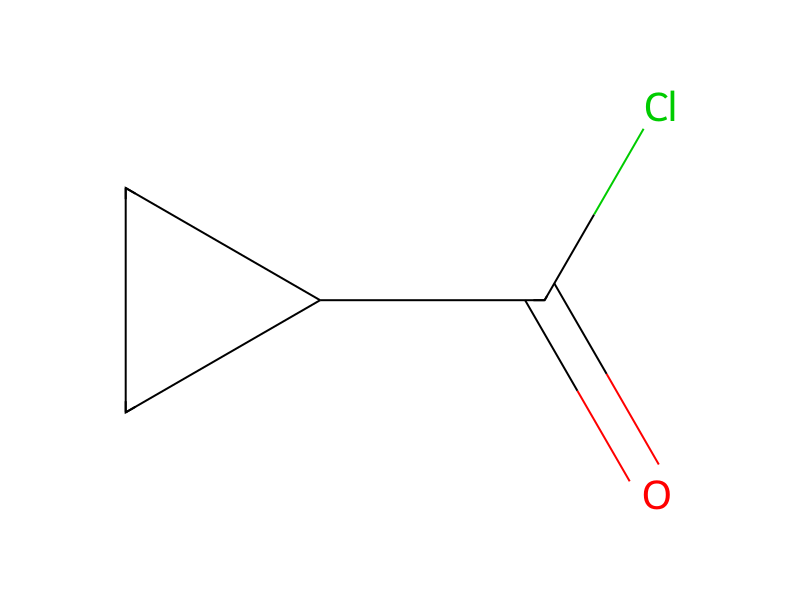

Product 1

Reagents, catalysts & solvents 1

Procedure
To a mixture of 1.88 g. 2-(4-chlorophenylthio)ethanol and 1.35 g. cyclopropylcarboxylic acid chloride in 50 ml. ether is added 2 equivalents pyridine. The reaction mixture is stirred overnight at room temperature and worked up as in Example 5 to yield 2-(4-chlorophenylthio)ethyl cyclopropanecarboxylate.
Workup
- additionTo a mixture of 1.88 g
Sources & evidence
- ORD record
- ord-de40b994676a4b5f8e160d836ae9d74f
- Source dataset
- uspto-grants-1976_05
- Patent number
- US03957849
Reaction notes
Loading…