Pentachlorophenol → HCID 86733441, compound
Reaction equation

[Cl:1][C:2]1[C:7]([OH:8])=[C:6]([Cl:9])[C:5]([Cl:10])=[C:4]([Cl:11])[C:3]=1[Cl:12].[Al].[OH:14][CH2:15][C:16]([CH2:21][OH:22])([CH2:19][OH:20])[CH2:17][OH:18].[CH2:23]([O:25][P:26]([O:30][CH2:31][CH3:32])[O:27][CH2:28][CH3:29])[CH3:24]>[Fe]>[Cl:1][C:2]1[C:7]([OH:8])=[C:6]([Cl:9])[C:5]([Cl:10])=[C:4]([Cl:11])[C:3]=1[Cl:12].[OH:14][CH2:15][C:16]([CH2:21][OH:22])([CH2:19][OH:20])[CH2:17][OH:18].[CH2:23]([O:25][P:26]([O:30][CH2:31][CH3:32])[O:27][CH2:28][CH3:29])[CH3:24].[CH2:6]1[O:8][CH:7]1[CH3:2]Participants
6
Reactant 4


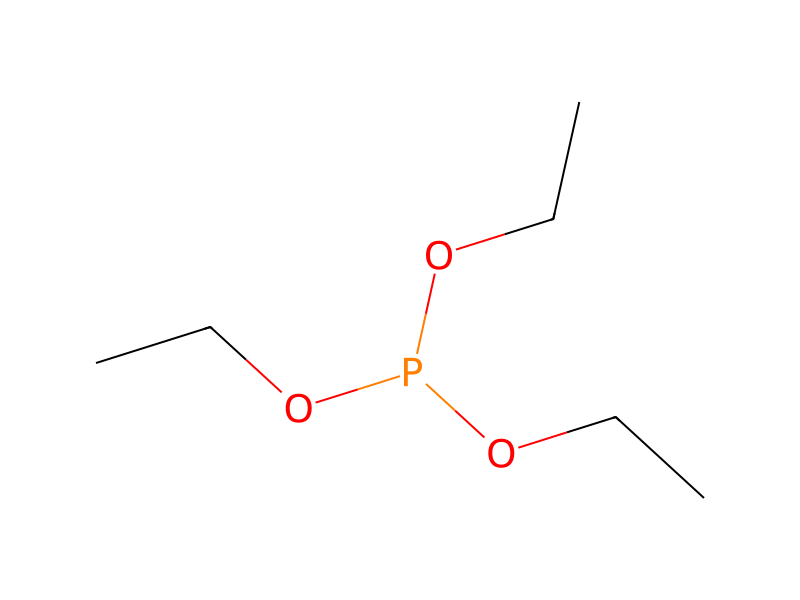

Product 1

Reagents, catalysts & solvents 1

Procedure
A 5-liter flask was charged with 1330 grams of pentachlorophenol, containing about 750 ppm of aluminum and iron compounds, 680 grams of pentaerythritol and 290 grams of triethylphosphite. The mixture was stirred and heated and volatiles were removed until the temperature was 145°C. Propylene oxide was then added until the acid number was less than 1. Since some solid materials was present 253 grams of pentachlorophenol was added and propylene oxide addition was continued until the acid number was less than 1. The mixture was stripped to remove volatiles and filtered through a coarse paper. The resulting oxypropylated polyol product weighted 3398 grams and had the following properties:
Workup
- temperatureheated
- customvolatiles were removed until the temperature
- customwas 145°C
- additionPropylene oxide was then added until the acid number
- additionwas added
- additionpropylene oxide addition
- customto remove volatiles
- filtrationfiltered through a coarse paper
Sources & evidence
- ORD record
- ord-7e33ffa7010843d2a0d27c618b3ed419
- Source dataset
- uspto-grants-1976_05
- Patent number
- US03957922
Reaction notes
Loading…