Dimethyl Carbonate → Dibutyltin methoxide
Reaction equation

[CH2:1]([Sn:5](=O)[CH2:6][CH2:7][CH2:8][CH3:9])[CH2:2][CH2:3][CH3:4].[C:11](=O)(OC)[O:12]C>CO>[CH3:11][O-:12].[CH3:11][O-:12].[CH2:1]([Sn+2:5][CH2:6][CH2:7][CH2:8][CH3:9])[CH2:2][CH2:3][CH3:4]Participants
4
Reactant 2
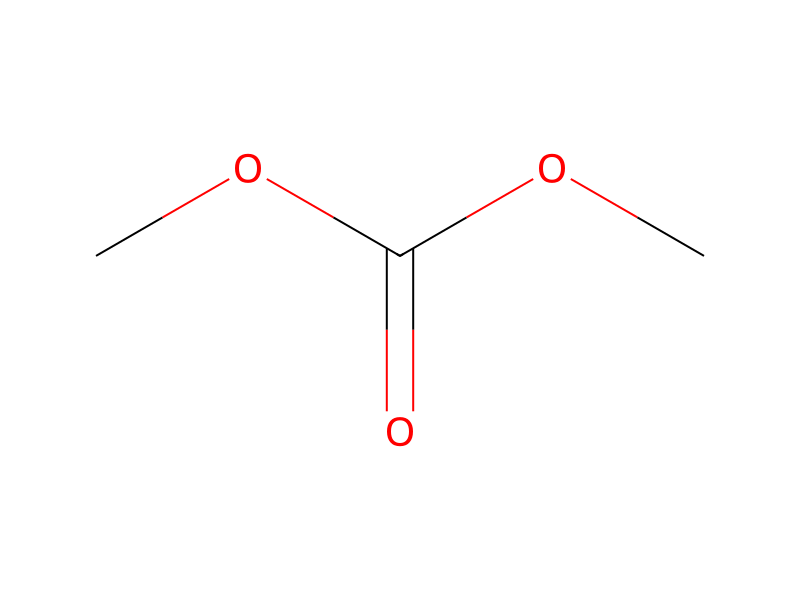
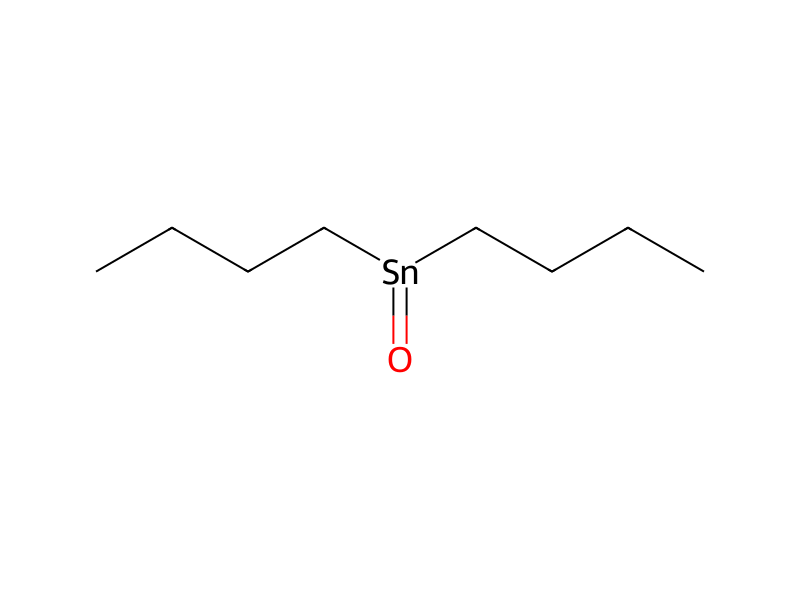
Product 1

Reagents, catalysts & solvents 1

Procedure
Dibutyltin oxide is reacted with methanol and dimethyl carbonate, at a temperature in the range between about 50° to 200° C. and at a pressure in the range between about 75 to 600 psi (0.52 to 4.14 MPa) resulting in a quantitative formation of dibutyltin dimethoxide (i.e., dibutyltin dimethoxide is present in the final product in an amount between about 90 to 100 mole % (based on tin species in the catalyst product), more preferably about 95 to 100 mole %) and carbon dioxide as shown in Equation 4 below: ##STR4##
Sources & evidence
- ORD record
- ord-66afc85af8474252b1762375839f4f3b
- Source dataset
- uspto-grants-1996_08
- Patent number
- US05545600
Reaction notes
Loading…