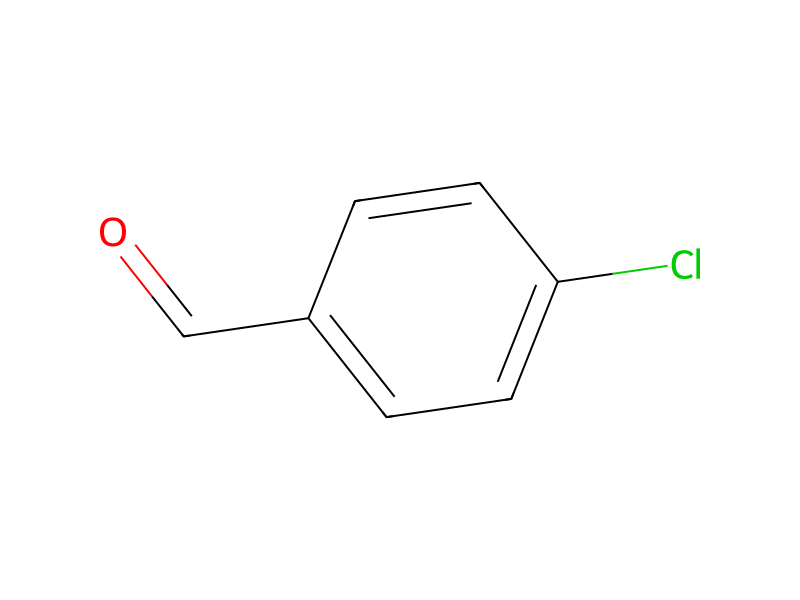
4-Chlorobenzaldehyde → N-(4-chlorobenzyl)-3-(2,4-dimethylimidazol-1-yl)propylamine dihydrochloride
Reaction equation

[Cl:1][C:2]1[CH:9]=[CH:8][C:5]([CH:6]=O)=[CH:4][CH:3]=1.[NH2:10][CH2:11][CH2:12][CH2:13][N:14]1[CH:18]=[C:17]([CH3:19])[N:16]=[C:15]1[CH3:20].[BH4-].[Na+]>C(O)C>[ClH:1].[ClH:1].[Cl:1][C:2]1[CH:9]=[CH:8][C:5]([CH2:6][NH:10][CH2:11][CH2:12][CH2:13][N:14]2[CH:18]=[C:17]([CH3:19])[N:16]=[C:15]2[CH3:20])=[CH:4][CH:3]=1Participants
5




Procedure
In a similar manner to Example 35, a mixture of 4-chlorobenzaldehyde (3.8 g) and 1-(3-aminopropyl)-2,4-dimethylimidazole (4.1 g) in ethanol (70 ml) was stirred and then reduced with sodium borohydride (2.0 g). The hydrochloride salt was triturated with propan-2-ol, filtered and the residue washed with ether, then dried under vacuum at 45° C., to give N-(4-chlorobenzyl)-3-(2,4-dimethylimidazol-1-yl)propylamine dihydrochloride, m.p. 208°-210° C.
Workup
- customThe hydrochloride salt was triturated with propan-2-ol
- filtrationfiltered
- washthe residue washed with ether
- customdried under vacuum at 45° C.
Sources & evidence
- ORD record
- ord-fb8b2f78d35149e8bae6f84980b283f4
- Source dataset
- uspto-grants-1996_08
- Patent number
- US05547972
Reaction notes
Loading…