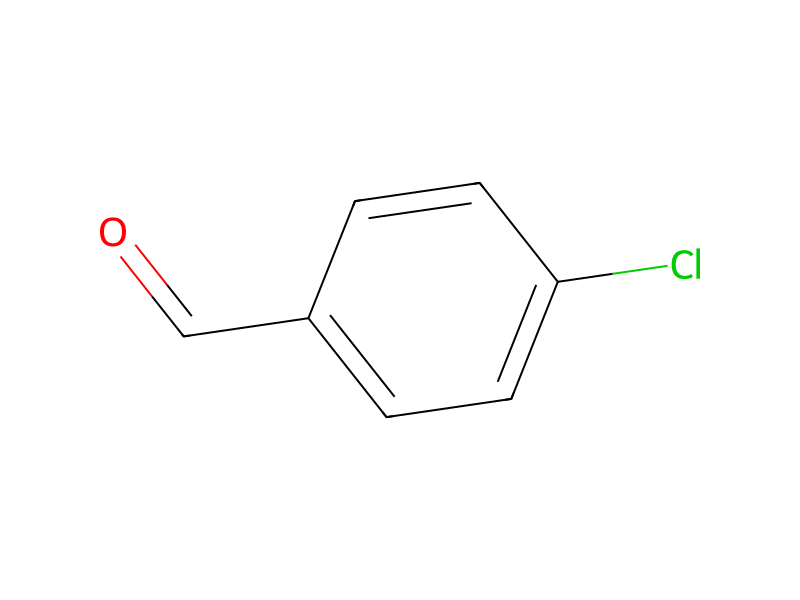
4-Chlorobenzaldehyde → HCID 19429422, compound
Reaction equation

[CH3:1][C:2]1[N:3]=[C:4]([C:11]2[CH:16]=[CH:15][CH:14]=[CH:13][CH:12]=2)[N:5]([CH2:7][CH2:8][CH2:9][NH2:10])[CH:6]=1.[Cl:17][C:18]1[CH:25]=[CH:24][C:21]([CH:22]=O)=[CH:20][CH:19]=1.[BH4-].[Na+]>C(O)C>[Cl:17][C:18]1[CH:25]=[CH:24][C:21]([CH2:22][NH:10][CH2:9][CH2:8][CH2:7][N:5]2[CH:6]=[C:2]([CH3:1])[N:3]=[C:4]2[C:11]2[CH:16]=[CH:15][CH:14]=[CH:13][CH:12]=2)=[CH:20][CH:19]=1Participants
5
Reactant 3


Product 1

Reagents, catalysts & solvents 1

Procedure
3-(4-Methyl-2-phenylimidazol-1-yl)propylamine (5.5 g) and 4-chlorobenzaldehyde (3.6 g) were stirred in absolute ethanol (70 ml) for 16 hours. Sodium borohydride (2.0 g) was added and the mixture heated under reflux for 7 hours. Work-up as described in Example 42 gave N-(4-chlorobenzyl)-3-(4-methyl-2-phenylimidazol-1-yl)propylamine. Glc indicated that the product contained 13% (approx) of N-(4-chlorobenzyl)-3(5-methl-2-phenylimidazol-1-yl)propylamine.
Workup
- temperaturethe mixture heated
- temperatureunder reflux for 7 hours
Sources & evidence
- ORD record
- ord-4ae285ae2f93489b98cdb962c39b5917
- Source dataset
- uspto-grants-1996_08
- Patent number
- US05547972
Reaction notes
Loading…