2-Chlorophenothiazine → 2-chloro-10-(3-chloropropyl)-10H-phenothiazine
Reaction equation

[OH-].[Na+].[Cl:3][C:4]1[CH:17]=[CH:16][C:15]2[S:14][C:13]3[C:8](=[CH:9][CH:10]=[CH:11][CH:12]=3)[NH:7][C:6]=2[CH:5]=1.Br[CH2:19][CH2:20][CH2:21][Cl:22].C([N+](CCCC)(CCCC)CCCC)CCC>CC(C)CC(=O)C>[Cl:3][C:4]1[CH:17]=[CH:16][C:15]2[S:14][C:13]3[C:8](=[CH:9][CH:10]=[CH:11][CH:12]=3)[N:7]([CH2:19][CH2:20][CH2:21][Cl:22])[C:6]=2[CH:5]=1Participants
6





Procedure
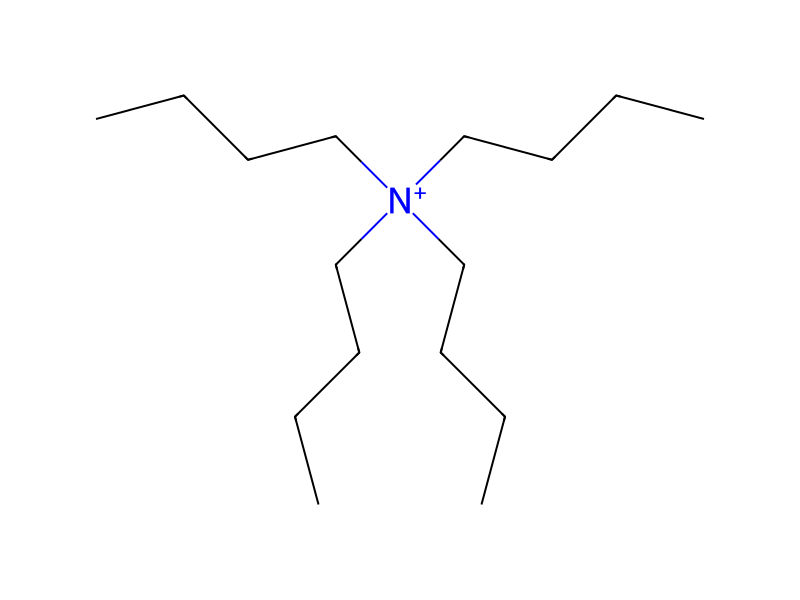
40 ml of a sodium hydroxide solution (50% by weight) are added to a solution of 2.34 g (10 mmol) of 2-chlorophenothiazine, 4.73 g (30 mmol) of 1-bromo-3-chloropropane and 0.34 g (1 mmol) of tetrabutylammonium hydrogenosulfate in 40 ml of 4-methylpentan-2-one. The mixture is stirred at ambient temperature for 48 hours. After customary treatment of the organic phase, drying over sodium sulfate, evaporation of the solvent and purification by chromatography on silica gel, 2.17 g of pure product are obtained (eluant: petroleum ether).
Workup
- dry with materialAfter customary treatment of the organic phase, drying over sodium sulfate, evaporation of the solvent and purification by chromatography on silica gel, 2.17 g of pure product
- customare obtained (eluant: petroleum ether)
Sources & evidence
- ORD record
- ord-c179d29058564ec8bd90428ec705188e
- Source dataset
- uspto-grants-1996_08
- Patent number
- US05550143
Reaction notes
Loading…