Urea → 4-Nitrobenzamide
Reaction equation

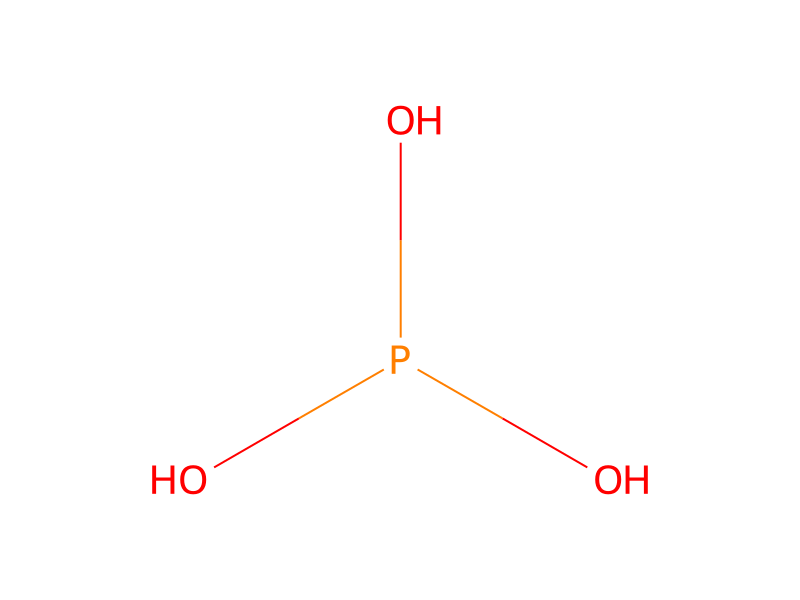
[N+:1]([C:4]1[CH:12]=[CH:11][C:7]([C:8](O)=[O:9])=[CH:6][CH:5]=1)([O-:3])=[O:2].[NH2:13]C(N)=O>C1(C)C=C(C)C=C(C)C=1.P(O)(O)O>[N+:1]([C:4]1[CH:12]=[CH:11][C:7]([C:8]([NH2:13])=[O:9])=[CH:6][CH:5]=1)([O-:3])=[O:2]Participants



Reagents, catalysts & solvents 2

Conditions
- Temperature
- 25 °C
Procedure
334 g (2.0 mol) of 4-nitrobenzoic acid, 120 g (2.0 mol) of urea and 2.0 g of phosphorous acid are heated in 1000 ml of mesitylene with stirring at from 158° C. to 163° C. for 8 h. After cooling to 25° C. the solid is filtered off with suction and washed with 200 ml of mesitylene. The filter cake is introduced into 1000 ml of water, the mixture is adjusted to a pH of 12 using aqueous sodium hydroxide solution, and is subjected to steam distillation. Subsequently the solid is filtered off with suction and dried at 100° C. 301.2 g of 4-nitrobenzamide are obtained, having a melting point of from 191° to 194° C. This corresponds to a yield of 90.7% of theory. By acidification of the aqueous mother liquor to pH 2, 12.5 g of 4-nitrobenzoic acid (3.7% of theory) are obtained which can be employed again in a subsequent batch.
Workup
- filtrationis filtered off with suction
- washwashed with 200 ml of mesitylene
- additionThe filter cake is introduced into 1000 ml of water
- distillationis subjected to steam distillation
- filtrationSubsequently the solid is filtered off with suction
- customdried at 100° C
Sources & evidence
- ORD record
- ord-7ef263da7bac4a2ea3aa56b30729898e
- Source dataset
- uspto-grants-1996_08
- Patent number
- US05550286
Reaction notes
Loading…