Ammonia → 2-Amino-5-chloro-3-nitrobenzotrifluoride
Reaction equation

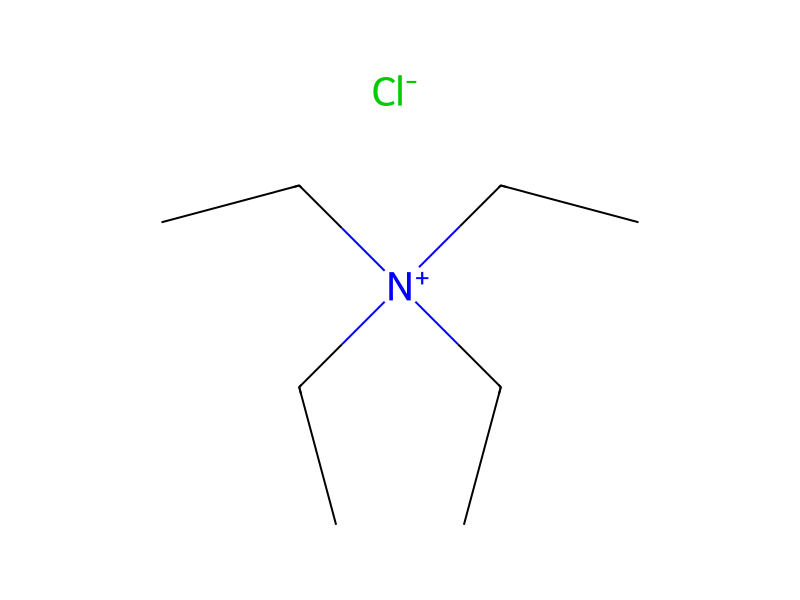
[N+:1]([C:4]1[C:5](Cl)=[C:6]([C:11]([F:14])([F:13])[F:12])[CH:7]=[C:8]([Cl:10])[CH:9]=1)([O-:3])=[O:2].[NH3:16]>[Cl-].C([N+](CC)(CC)CC)C.O>[NH2:16][C:5]1[C:4]([N+:1]([O-:3])=[O:2])=[CH:9][C:8]([Cl:10])=[CH:7][C:6]=1[C:11]([F:14])([F:13])[F:12]Participants
Reactant 2


Product 1

Reagents, catalysts & solvents 2

Conditions
- Temperature
- 130 °C
Procedure
260 g of 3-nitro-2,5-dichlorobenzotrifluoride, 130 ml of water and 10 g of tetraethylammonium chloride were placed in an autoclave, and 120 ml of liquid ammonia were injected. The mixture was then heated to 130° C. and stirred for 10 hours at this temperature. The mixture was cooled and then filtered, and the precipitate separated off was washed with water and dried. 194 g of 2-amino-3-nitro-5-chlorobenzotrifluoride with a melting point of 67° C. were obtained. 134 g of the nitroaniline obtained as described above were dissolved in 800 ml of ethanol, and then 20 ml of water, 10 ml of concentrated aqueous hydrochloric acid and 160 g of iron filings were added. The mixture was heated for 15 hours to boiling at reflux, then cooled and filtered off with suction, the filter residue was washed with dichloromethane, and subsequently the organic phases were freed under reduced pressure from the solvent. 171 g of 5-chloro-3-trifluoromethyl-1,2-diaminobenzene with a melting point of 53° C. were obtained.
Workup
- temperatureThe mixture was cooled
- filtrationfiltered
- customthe precipitate separated off
- washwas washed with water
- customdried
Sources & evidence
- ORD record
- ord-16b128a67d8c410da717db727cd3a49a
- Source dataset
- uspto-grants-1996_12
- Patent number
- US05585395
Reaction notes
Loading…